What a Northern Lights Tour Is Actually Like
Four hours on paper, a pickup loop that eats the first one, and twenty minutes of standing in the dark before anything moves. How an aurora night really runs.
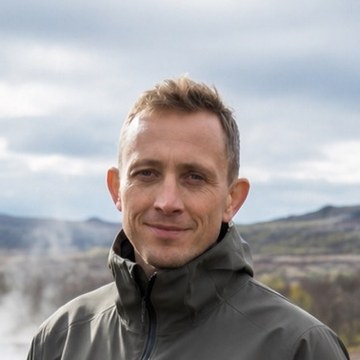 By Björn Einarsson, Icelandic guide & winter tour specialist
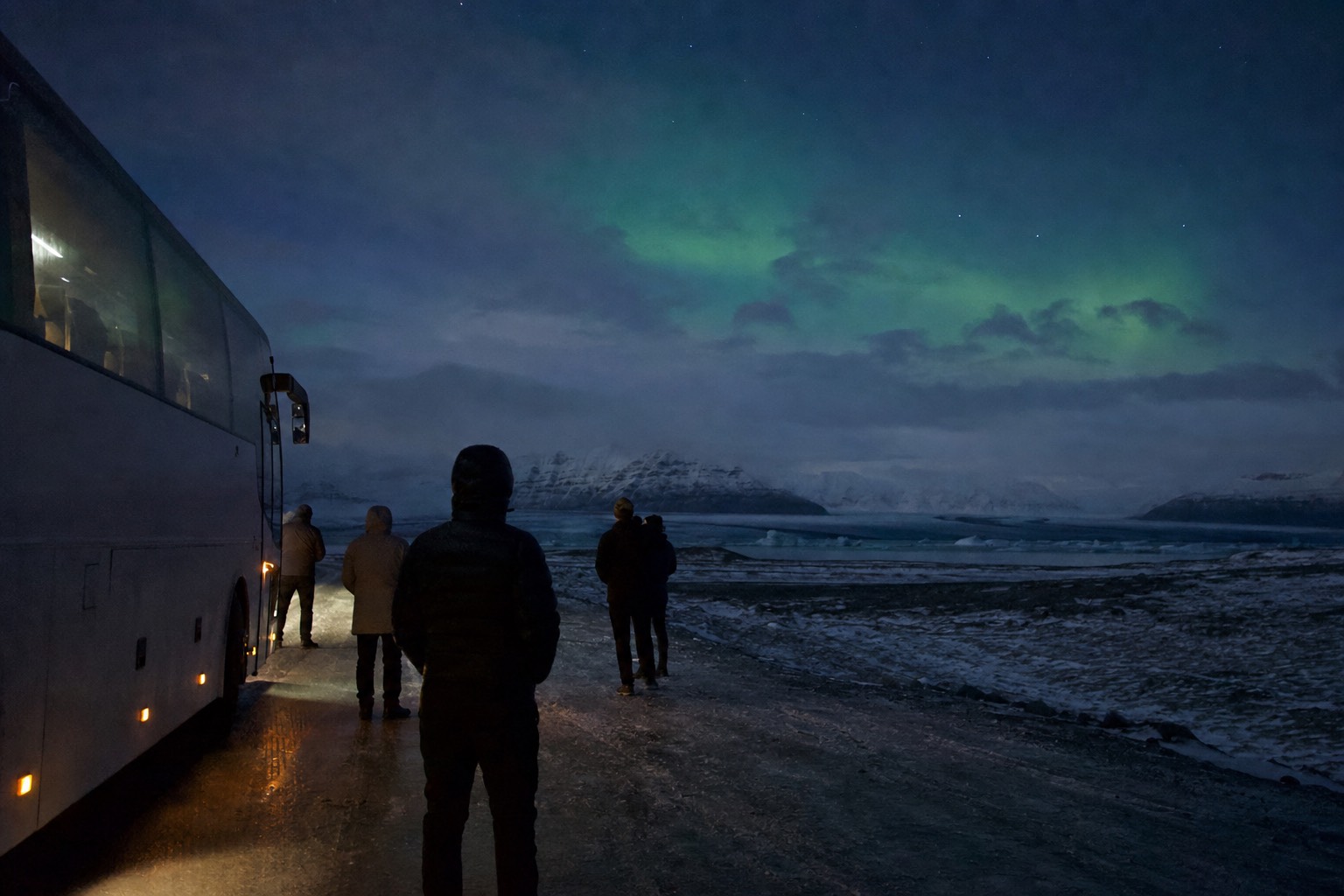
The best display I have watched from a roadside pull-in near Þingvellir started while half the group was queuing for the toilet at a petrol station. Nobody announced it. One person outside pointed straight up, and by the time the rest of us got there the whole eastern sky had gone the colour of old glass.
TL;DR: an aurora bus tour out of Reykjavík is roughly four hours door to door, and the first of those four is a slow crawl round hotels collecting other passengers. You will stand outside in the cold, probably at more than one spot, and a faint aurora will look grey to your eye and green on your phone. The good operators drive to the gap in the cloud instead of waiting under it, and the widely booked ones give you a free retry night if the sky gives you nothing.
Is a northern lights tour in Iceland worth booking?
Yes, as long as you understand what you are actually buying. You are not buying a sighting. You are buying a driver who reads the cloud forecast for a living, a heated vehicle, and the two hundred kilometres of road that may sit between your hotel and the only hole in the cloud that night.
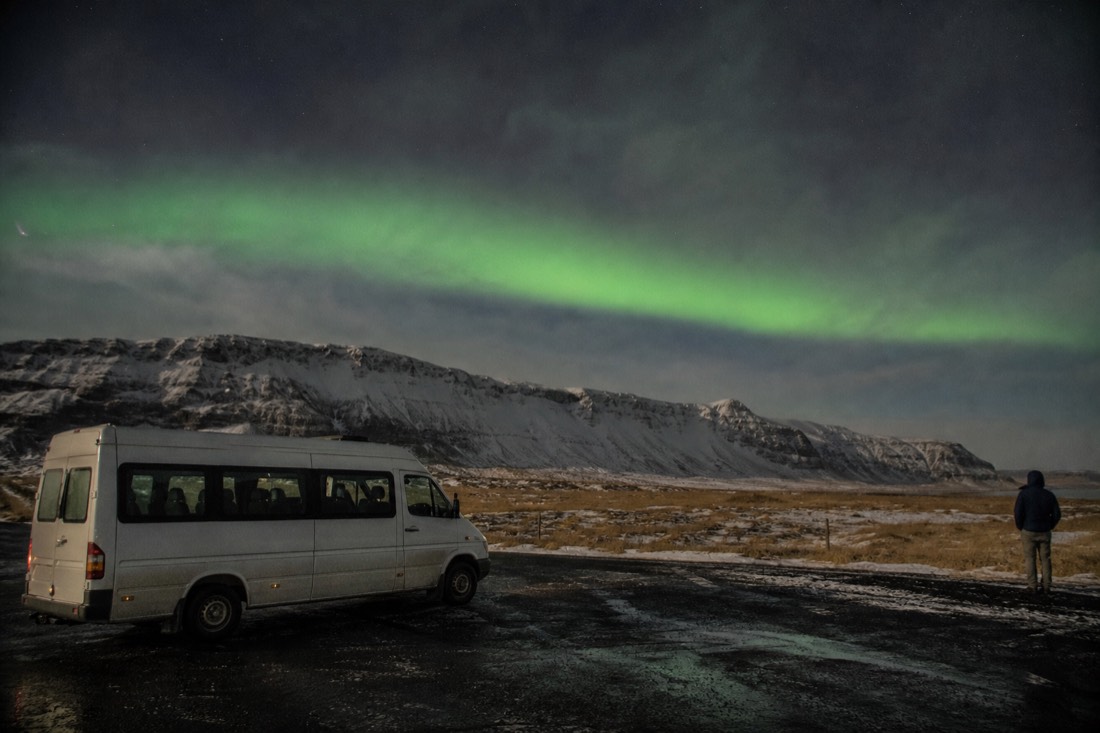
I have met plenty of visitors who booked a car, drove ten minutes past the city limits, saw a grey smudge and went home disappointed. The tour exists because the variable that ruins most aurora nights is not solar activity, it is cloud, and cloud is beatable by driving. A guide with a radar app and local road knowledge can be in a different weather system in ninety minutes. You cannot easily do that on your own in the dark, on ice, on roads you have never seen.
Season matters more than luck. The aurora runs from late August to late April, with the strongest stretch from October to February, and you still need solar activity and a gap in the cloud on the same night. Both conditions, together. The official aurora information from Visit Iceland says the same thing in politer language, and any operator who promises more than that is selling you something they cannot deliver.
If you want the season broken down properly, the best time to see the northern lights in Iceland guide sets out the months against darkness hours rather than folklore.
Why does the first hour feel like nothing is happening?
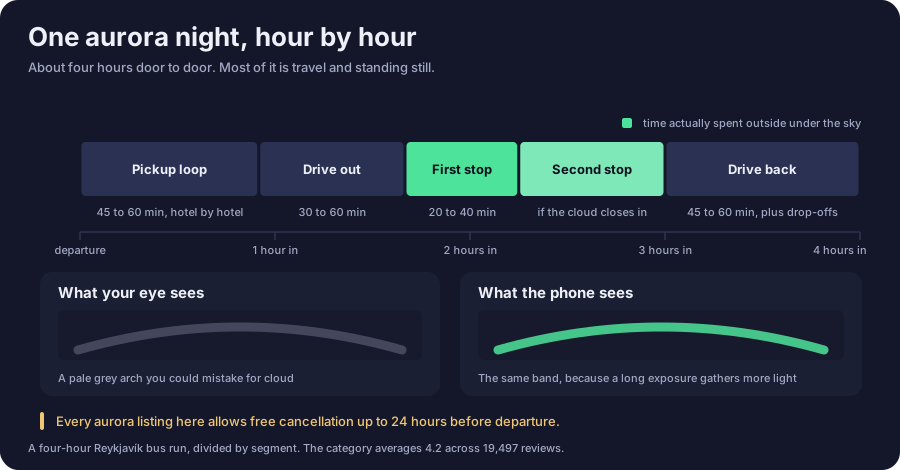
Because it mostly is. A Reykjavík aurora tour starts with a hotel pickup loop, and on a full night that loop can take the better part of an hour before the coach even leaves the city. Departure time on the ticket is your pickup window, not the moment you head for dark sky.
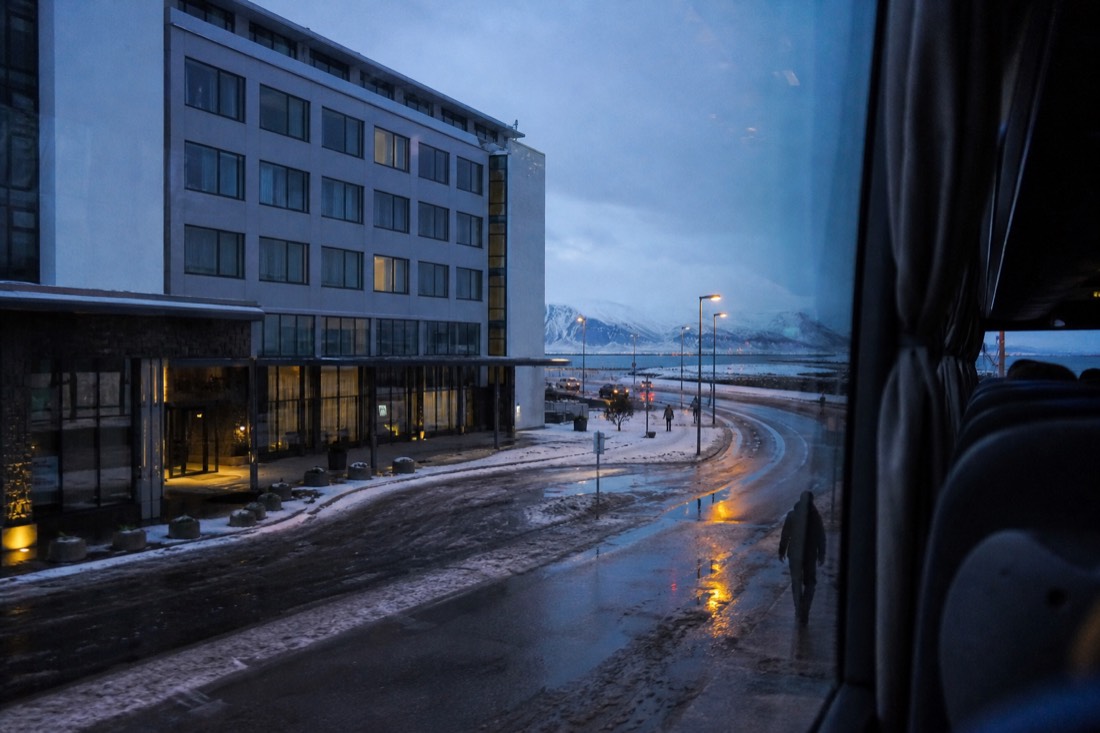
This is the single thing that surprises people most, and it is the reason the four-hour tour feels shorter than it sounds. Here is the honest shape of the night, based on how these runs are structured and what guides I know report from the front seat.
| Roughly when | What is happening | What to do with it |
|---|---|---|
| First 45-60 min | Pickup loop around Reykjavík hotels and bus stops | Sit near the back, keep your coat on your lap, do not eat yet |
| Next 30-60 min | Driving out to whichever direction has the clearest sky | Ask the guide what the cloud map looked like at 18:00 |
| First stop, 20-40 min | Standing outside, often seeing nothing at all | Let your eyes adjust, do not look at your phone screen |
| Optional second stop | The guide moves if the cloud closes in | This move is the whole value of the ticket |
| Last 45-60 min | Drive back and drop-offs, usually in reverse order | Hotel drop-off order is luck, budget for a late finish |
The twenty minutes of nothing at the first stop is normal. Human eyes need real time to adapt to the dark, and a coach car park full of people opening phone torches resets everyone's night vision. The guides who are good at this ask you to put the phone away for a reason.
What do the northern lights actually look like to the naked eye?
Faint aurora reads as a pale grey arch that you might mistake for cloud. Your phone camera sees it as green, because a long exposure gathers light your eye cannot. Only a genuinely strong display goes green, then pink or violet, to the naked eye, and when it does it moves fast.
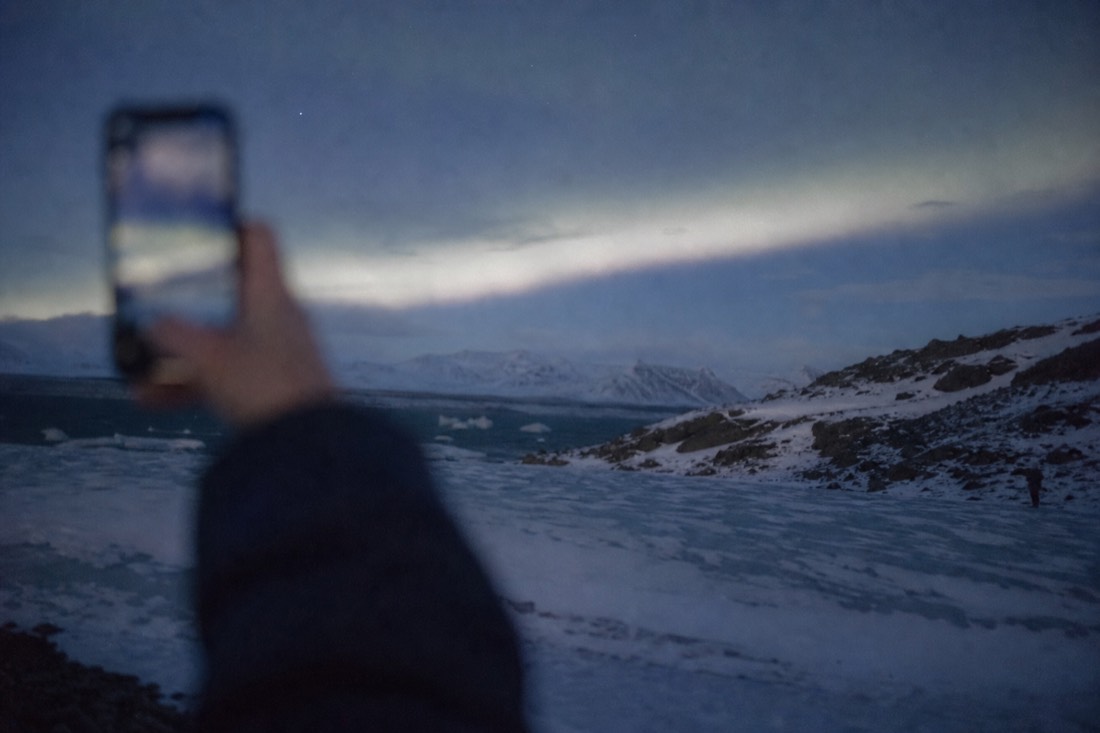
This mismatch causes more disappointment than bad weather does. Someone on the tour holds up a phone, the screen glows green, and the person standing next to them looks up and sees a grey band. Both of them are seeing the same thing correctly. The camera is simply a better light collector.
| What the sky is doing | Naked eye | Phone or camera | What the guide usually says |
|---|---|---|---|
| Faint band, low activity | Pale grey arch, easy to miss | Clear green stripe | "That is it, give your eyes ten minutes" |
| Moderate display | Grey-green, slow movement | Bright green, some structure | "It may build, stay out" |
| Strong display | Green to the eye, pink or violet edges, visible motion | Everything, badly, because you will shake | Nothing, they are looking up too |
Why does a good guide move the bus instead of waiting?
Because waiting under cloud is a decision to see nothing. Cloud in Iceland moves in bands, so the difference between a blank night and a good one is often forty minutes of driving in the right direction. A guide who commits to a second or third location is doing the job you paid for.
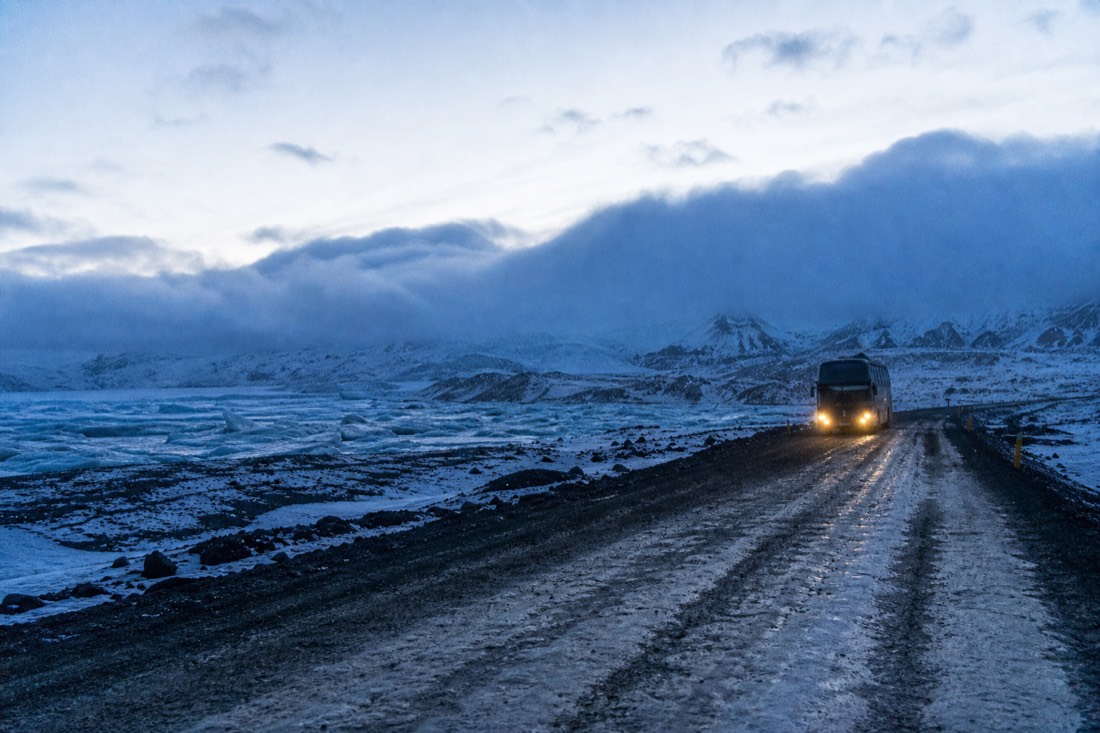
You can tell within a few minutes which sort of guide you have. The ones I rate keep checking the sky, tell the group plainly what the forecast is doing, and are willing to load everyone back on the coach and drive somewhere else at half past eleven. The weaker ones park, open the cocoa flask and hope.
Ask the question early. "If this cloud stays, where do you go next?" A guide who has an answer with a place name in it has already made a plan.
How cold is standing still in an Icelandic field at midnight?
Colder than the thermometer suggests. Reykjavík averages about 0.5°C in January, which sounds mild, and then you stand motionless in open wind for an hour with nothing generating heat. Wind and stillness, not temperature, are what end aurora nights early.
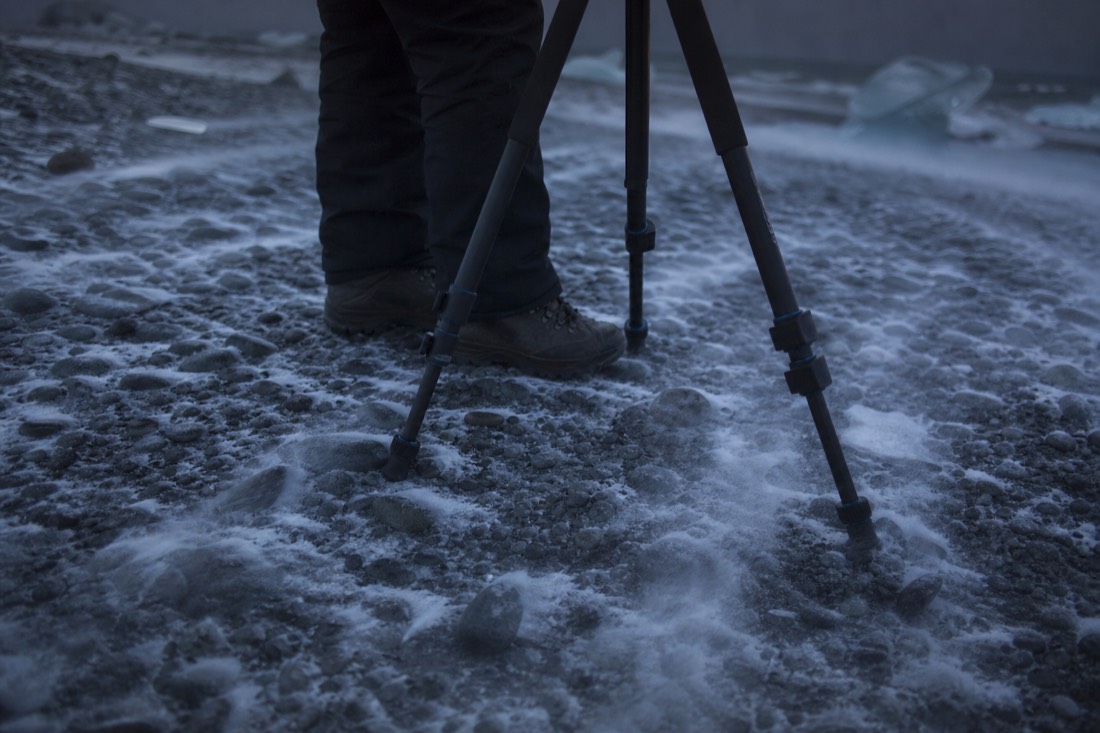
The people who go back to the coach after fifteen minutes are almost always the ones in jeans and trainers. Denim soaks up damp air and sleet, holds it against the skin and stops doing anything useful, which is the whole argument in why nobody wears jeans in Iceland. Wool base layer, a warm mid layer, a proper windproof shell, hat, gloves, and boots you can stamp your feet in.
Hand warmers are the one small item I would add. Cold fingers are what make people give up on the tripod and get back on the bus.
What happens if you see nothing?
Most reputable Reykjavík operators give you a free retry on another night rather than a refund, because they ran the tour as promised and the sky did not cooperate. The widely booked bus run states that retry in its own terms. Weather cancellations before departure are rescheduled or refunded.
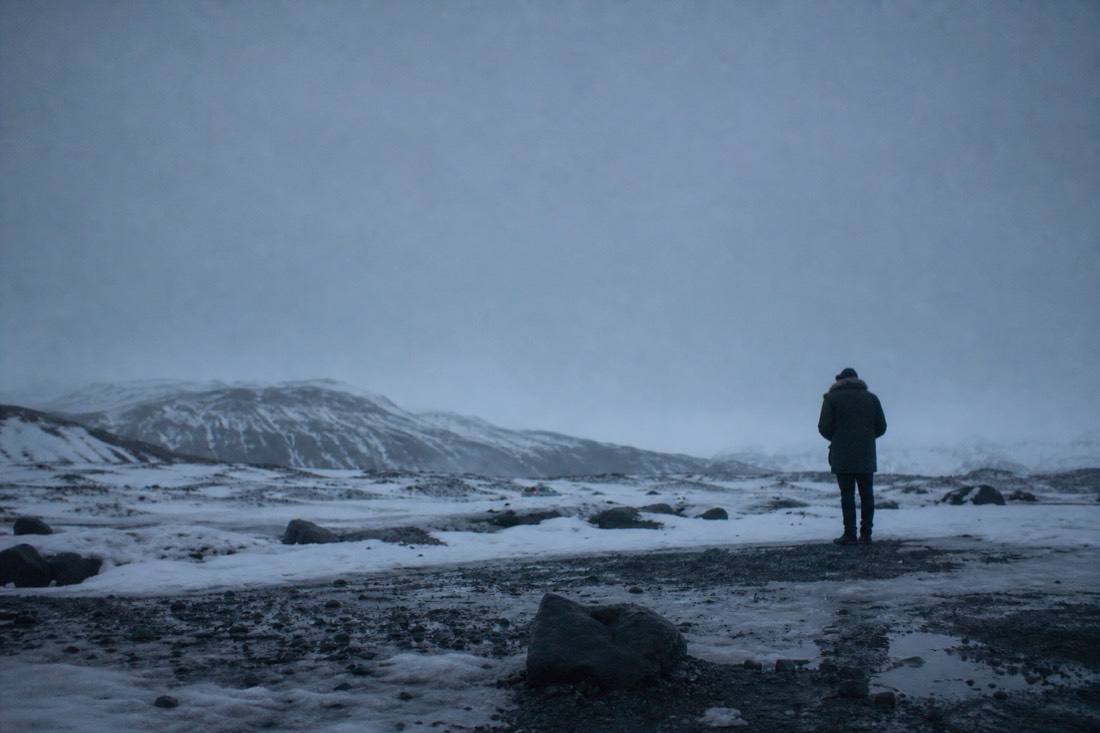
That retry policy is the reason your aurora night belongs early in your itinerary. A retry you cannot use because you fly home in the morning is worth nothing. Book it for your first or second night and you keep two or three more chances in reserve.
If the operator cancels outright, that is a different case: Icelandic companies reschedule or refund their own weather cancellations, and there is more on how that plays out in the day the weather cancelled everything. The general terms question comes up so often that it has its own answer on the FAQ page.
Bus tour, photo tour or package: which aurora night suits you?
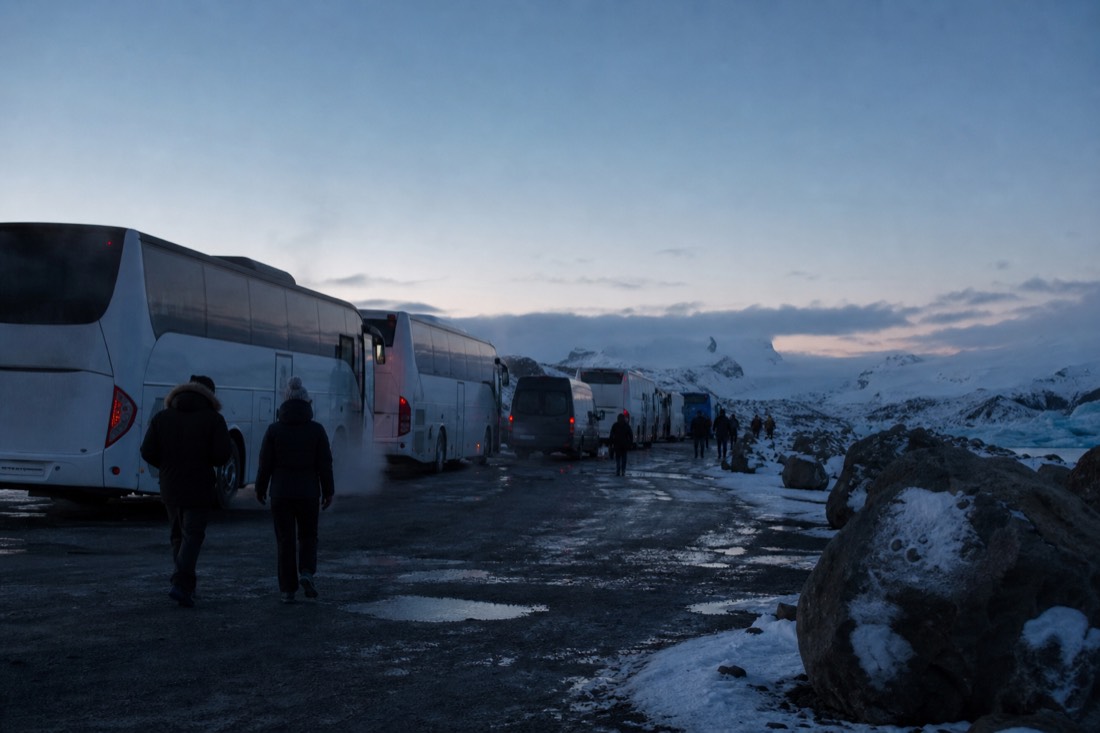
A large coach tour is the cheapest way to get out of the city light and the easiest to rebook. A smaller vehicle gets you to lay-bys a coach cannot use. A multi-day package puts you outside Reykjavík entirely, which is the real fix for a short trip.
| Format | Roughly how long | What it gets you | The trade-off |
|---|---|---|---|
| Large coach aurora run | About 4 hours | Lowest cost, most departures, free retry night | Long pickup loop, 40+ people at one stop |
| Photography-led tour | About 4 hours | Camera settings sorted, usable photos | Smaller group, sells out earlier |
| Self-drive | As long as you want | Total freedom to chase | You drive winter roads in the dark, alone |
| Multi-day winter package | 2 to 3 days | Nights spent away from city light | Costs more, fixed itinerary |
For most first-time visitors the plain bus run is the right call, and the numbers back it: the whole northern lights tours category averages 4.2 across 19,497 reviews, and the single most-booked departure, the hot cocoa run at 4.3 across 14,847 GetYourGuide reviews, is available to check for your dates on GetYourGuide.
What is the guide actually doing while you stand in the dark?
Weather routing. A good aurora guide spends the evening cross-checking a cloud map against the road network, picking the direction with a hole in it, then re-deciding as the bands shift. The commentary and the cocoa flask are the visible tenth of a job that is mostly forecasting.
The first time I sat near the front on a night like that, I understood why some tours find the sky and others do not. The driver had three routes in his head before anybody boarded and he binned two of them between the second hotel and the third. None of that is visible from seat fourteen. From back there it just looks like a man on his phone.
What you can watch for is the small stuff. A guide who walks away from the group at the first stop and stares north for two minutes is reading the sky, not sulking. A guide who keeps the interior lights off while people board is protecting forty pairs of eyes that need twenty minutes to recover from one overhead lamp. Those are habits. Habits are what separate operators, far more than the size of the coach does.
| Point in the night | What the guide is doing | What it looks like from your seat | The weaker version |
|---|---|---|---|
| Before your pickup | Matching tonight's cloud cover against the road options | Nothing, you are still in the hotel | Running last night's route again |
| During the pickup loop | Revising the target as the map updates | Somebody at the front on a phone | Announcing the destination at the depot and never changing it |
| Arriving at a stop | Reading the northern sky, deciding how long to give it | A guide standing apart from everyone | Opening the flask straight away |
| When cloud closes in | Deciding whether to move, and where to | The group called back on board, groaning | Waiting under the same cloud until the clock runs out |
| On the drive home | Logging whether the night counts as a no-show | An email about a retry night | Silence, and hoping nobody asks |
The move is the tell. Every guide I rate has, at some point, put forty tired people back on a coach at half past eleven and driven three quarters of an hour the other way, knowing half of them resented him for it. That single decision is the difference between a story and a complaint, and it is part of why the busiest northern lights tours hold up in reviews: more vehicles out on the same night means more eyes on more of the sky, and drivers who talk to each other.
How do you photograph an aurora on the phone you already own?
Rest it on something solid, switch to night mode, let it take the longest exposure it offers, and stop touching the screen while it works. A modern phone braced on a wall will out-shoot the same phone in a shaking hand every time. A cheap mini tripod is the best aurora purchase most people never make.
The enemy is not the camera. It is your hands, which are cold, and your patience, which is shorter than the exposure. Night mode needs the phone to sit still for several seconds and it tells you so on screen, and almost nobody waits. Hold it out at arm's length in a wind and you get a green smear with a hint of a mountain in it.
There is a second-order problem that nobody warns you about. Every bright screen in a dark car park resets the night vision of everyone facing it, including yours, and the eye takes a long time to come back. The group that takes the best photographs is usually the group that spends the first ten minutes not photographing anything.
| The problem | What it does to the shot | The fix |
|---|---|---|
| Hand shake during a long exposure | Green smear, no structure at all | Brace the phone on a wall, a bag or a car roof |
| Autofocus hunting in the dark | Everything soft, nothing sharp | Lock focus on a distant light, or set it manually to infinity |
| Full-brightness screen | Wrecks your night vision and everybody else's | Drop the brightness to minimum before you leave the coach |
| Cold battery | The phone dies at the good bit | Keep it in an inside pocket between shots |
| Somebody's head torch | Blows out the frame and resets the group's eyes | Ask. Most people switch it off the moment they realise |
| Wanting yourself in the picture | The flash lights you and erases the sky | Have a friend hold a phone torch on you low, off to the side, for a second |
One more thing, and I mean it. Take three photographs, then put the phone in your pocket and look up for the rest of it. You can buy a better picture of the aurora than you will ever take. You cannot buy the memory of standing under one, and the short winter days mean you will not get many evenings to try.
What does a blank night actually feel like?
Flat, and a little awkward. You stand in a dark field for forty minutes, the sky holds the colour of wet pavement, the phones show grain rather than green, and eventually the guide says the sentence everyone has been avoiding. The honest operators say it early and plainly instead of stretching the evening out.
Nobody prepares you for the mood on the coach afterwards. It is not anger. It is a slightly embarrassed quiet, because everyone privately suspects they have been unlucky in a way that is nobody's fault, and there is no one to be annoyed with. Somebody usually makes a joke about the cocoa. Somebody else falls asleep against the window before the first drop-off.
The visitors who take it best are the ones who booked with the second night already in mind. They treat evening one as reconnaissance: they learn how cold standing still really is, they find out their gloves are useless, and they go back out two nights later dressed properly and much calmer. The ones who take it worst booked the aurora for their final evening and spend the ride home doing arithmetic on flight times.
It helps to know which kind of blank night you had, because only some of them are beatable by a driver.
| Why the night was blank | How it shows up | Can the tour do anything about it |
|---|---|---|
| Cloud over the whole region | Uniform grey lid, no stars anywhere | No. This is the night to accept and rebook |
| A single band of cloud | Stars visible in one direction only | Yes, and this is exactly what the driving is for |
| Low solar activity | Clear sky, plenty of stars, nothing green | No. Nobody can conjure a substorm |
| A bright moon | Aurora visible but washed out and pale | Partly, by moving somewhere darker and waiting |
| City light behind you | Faint display drowned near the horizon | Yes, by going further out than most people bother to |
There is a version of this that is genuinely worth avoiding, which is chasing the sky yourself at midnight because a tour disappointed you. Driving unlit rural roads on ice, tired and frustrated, is a considerably worse idea than accepting a blank night. If the odds themselves are what you want to improve, the fix is choosing your travel month deliberately rather than driving harder, and that is the whole argument in the best month to visit Iceland in winter.
Which direction does the coach actually go?
Whichever one has a gap in it. Reykjavík has four realistic escapes from its own cloud and light: east towards Þingvellir, south-east over the heath towards Hveragerði and Selfoss, south-west onto the Reykjanes lava, and north around Hvalfjörður. The choice gets made on the night, never in the brochure.
People ask for the secret spot, and there is not one. There is only tonight's gap, and it moves. A guide who names a fixed destination weeks in advance is either simplifying for the booking page or has stopped trying, and you will find out which at about ten o'clock.
| Direction out of the city | What is out there | When it tends to be the call |
|---|---|---|
| East, towards Þingvellir | Low horizons, dark lake water, plenty of pull-ins | Cloud sitting on the coast but breaking up inland |
| South-east, over the heath | Farmland and wide open sky beyond the pass | The south is clearing while the north stays shut |
| South-west, onto Reykjanes | Lava fields and a sea horizon, the nearest properly dark ground | A late start, or a narrow window before cloud arrives |
| North, up Hvalfjörður | Fjord walls that cut the wind, very dark water | Wind is the problem rather than cloud |
Vehicle size decides how much of that map is usable. A full-size coach needs somewhere it can turn and park forty people safely, which rules out a lot of gravel lay-bys that a minibus treats as normal. That is the real difference between the coach and the small-group product, and it matters more than the seat comfort people compare instead. Off-the-obvious-track winter options generally are collected in hidden gems in Iceland in winter.
It is also the strongest argument against doing this yourself in a hire car in December. Not because the driving is beyond you, but because you would be making the same routing decision with none of the information, on roads you have never driven, in the dark, alone. The full trade is set out in self-drive versus guided tours in winter.
When in your trip should the aurora night sit?
First or second night, always. The retry policy only pays out if you have spare nights left, and Icelandic weather rarely gives you three clear evenings in a row. Book early in the trip, then treat every later night as a free second chance.
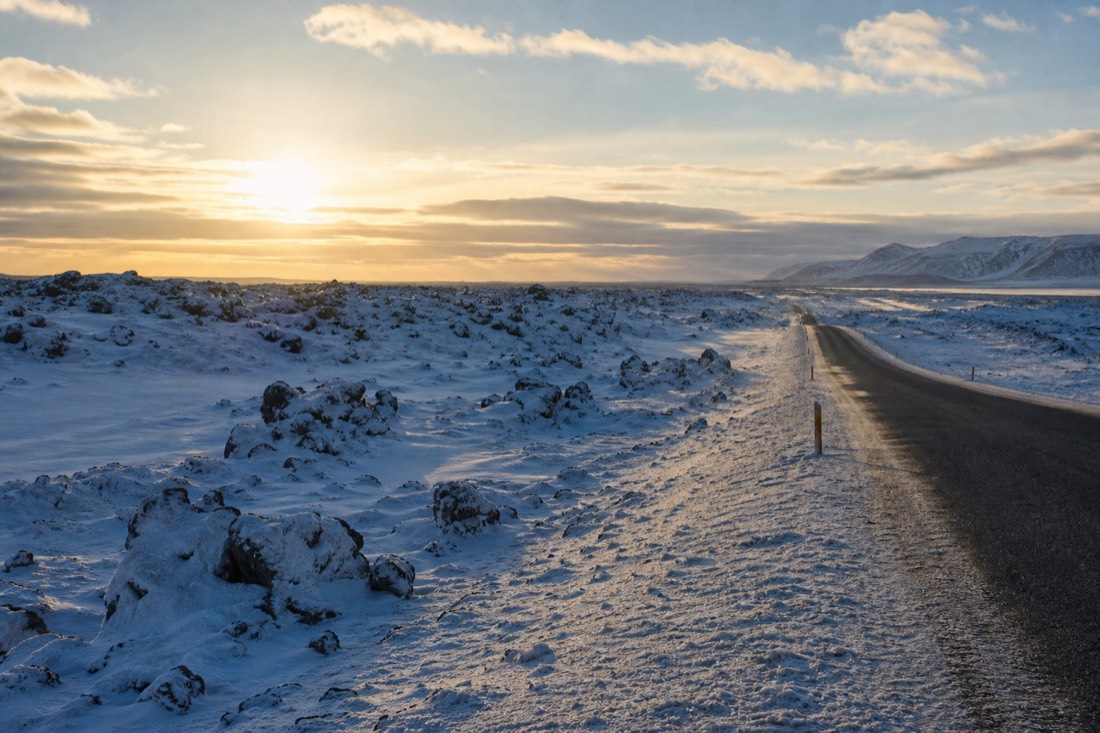
The other half of the answer is where you sleep. Reykjavík's light dome is not fatal to an aurora sighting, but it does not help, and a night spent at Vík or further east starts you in darker sky by default. That is the quiet argument for a multi-day winter package rather than three separate day trips, and the 3-day Troll Expeditions run sits at 4.9 across 677 Viator reviews for exactly that reason.
Check road.is on the afternoon of your tour if you have any doubt about conditions. If the roads out of town are closed, no operator is going anywhere, and knowing that at 16:00 rather than 21:00 saves you an evening.
One last thing, and every guide I know says a version of it: the sky owes you nothing. Go out expecting a cold drive and a good story, and the night it does turn on, you will be standing in the right field with your eyes already adjusted. That is a good primer for the rest of a winter trip, which is the ground covered in what I wish I knew before my first Iceland winter.
From Reykjavík: Northern Lights Bus Tour with Hot Cocoa
Booking the aurora for your first or second night only works if you have actually booked it. Check your dates before you finalize the evening plan: the hot cocoa run cancels free up to 24 hours out and the retry night is in the listing's terms.
4 hours · English
Check travel dates with GetYourGuide below.
None of these experiences matches that choice. Adjust your preference or reset to the general recommendation.
Compare Options And Plan Your Trip
- The classic coach night
- Most-reviewed run out of Reykjavík, about 4 hours, hot cocoa and a free retry night in the listing's terms.
- A small minibus, photos included
- Capped at 19 passengers, with photos of the night included when conditions allow.
- Nights already away from the city
- A 3-day package that sleeps you in dark-sky country between South Coast and ice cave days.
Before Booking