What I Wish I Knew Before My First Iceland Winter
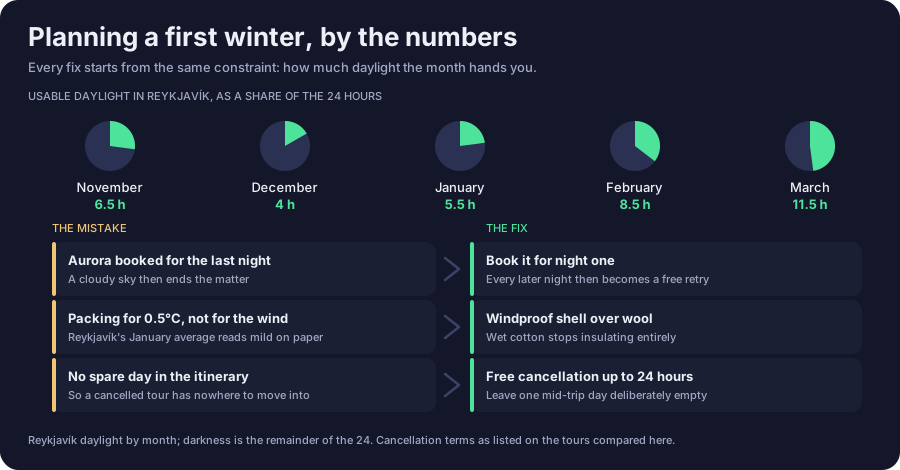
December gives Reykjavík about four hours of daylight. That single number breaks more first winter trips than ice does. The mistakes visitors make, in order.
 By Björn Einarsson, Icelandic guide & winter tour specialist
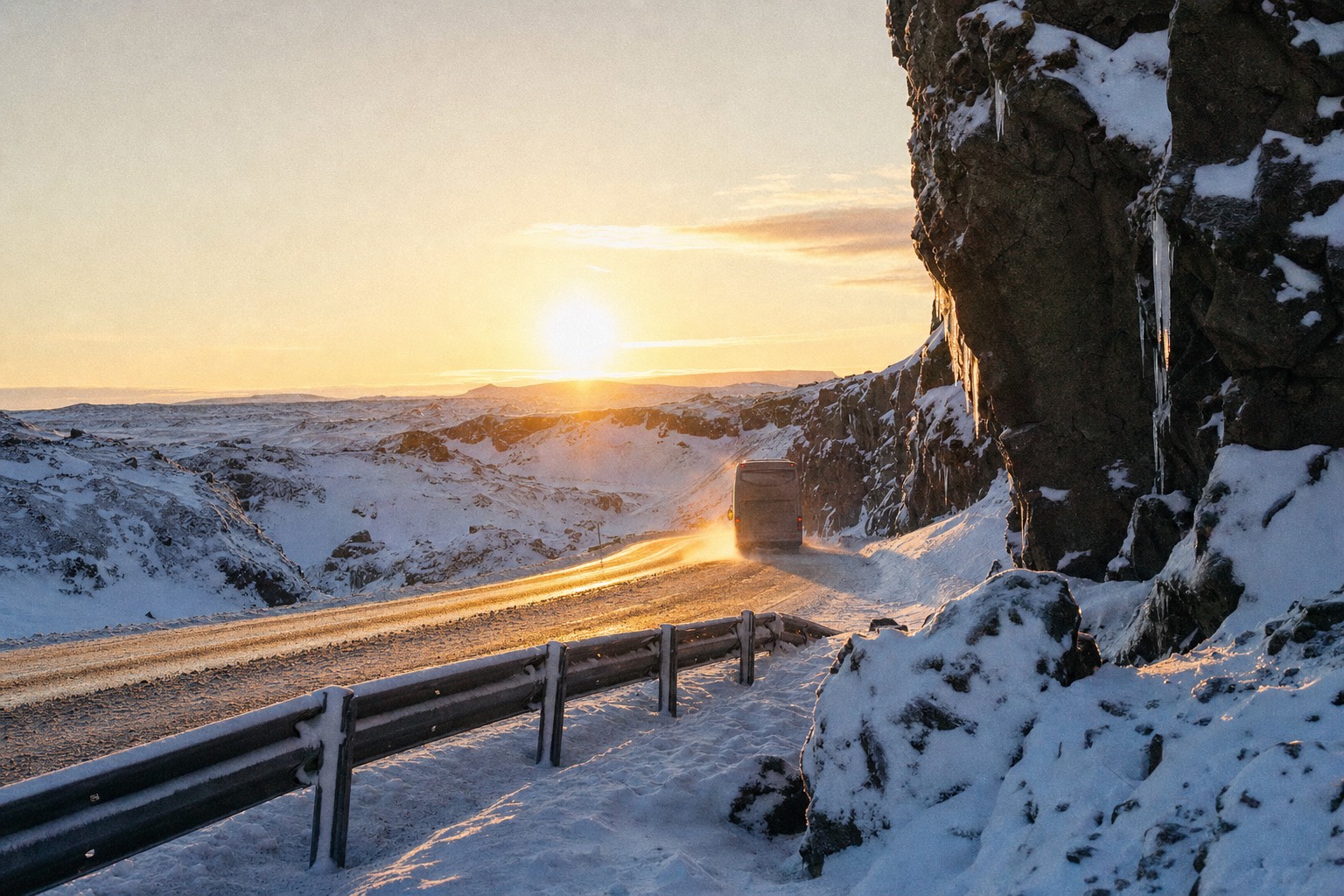
The first winter mistake I watch people make happens before they land. They plan a Tuesday with a morning museum, an afternoon glacier and an evening aurora hunt, and nobody has told them the sun will set while they are still queuing for lunch.
TL;DR: the errors repeat in a fixed order. Underestimating how little daylight December and January hand you. Booking the aurora night for the end of the trip, so a bad sky has nowhere to go. Packing for a cold number instead of a hard wind. And treating a cancelled tour as a ruined holiday rather than the ordinary Icelandic Tuesday it is. Fix those four and the rest is detail.
What do most first-time visitors get wrong about Iceland in winter?
They plan the trip they would take in June and then move it to January. The season does not take away much scenery, but it takes away hours, road options and certainty. An Icelandic winter trip works when it is built around fewer, longer days with real slack in them.
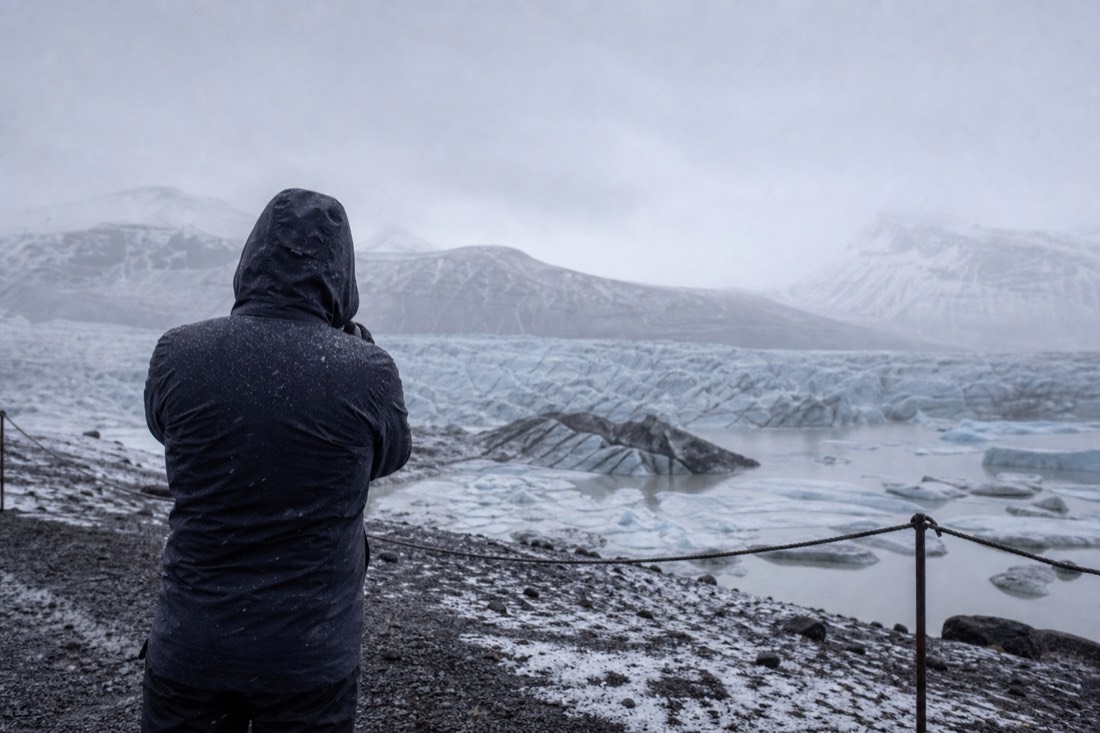
I have guided people who arrived with an itinerary printed off a summer blog: five stops a day, self-drive, a couple of hours between each. In February that plan collapses by lunchtime. It is not that anything goes wrong, it is that the light goes, the wind picks up, and the next stop is another ninety minutes east.
The trip that works looks different. One anchor thing per day. Long days out rather than three short ones. Departures that start early because they have to. And a spare afternoon somewhere in the middle that you have already decided you are willing to waste.
None of this makes winter the lesser season. The ice caves only exist now, the aurora only shows now, and the waterfalls freeze at their edges into something summer never gives you. The full picture of the trade is in the Iceland in winter guide.
How much daylight do you actually get?
Reykjavík gets about 4 hours of usable daylight around the December solstice, roughly 5.5 in January, about 6.5 in November, about 8.5 in February and about 11.5 by March. That is the constraint every other decision hangs off. A December day fits one thing well or two things badly.
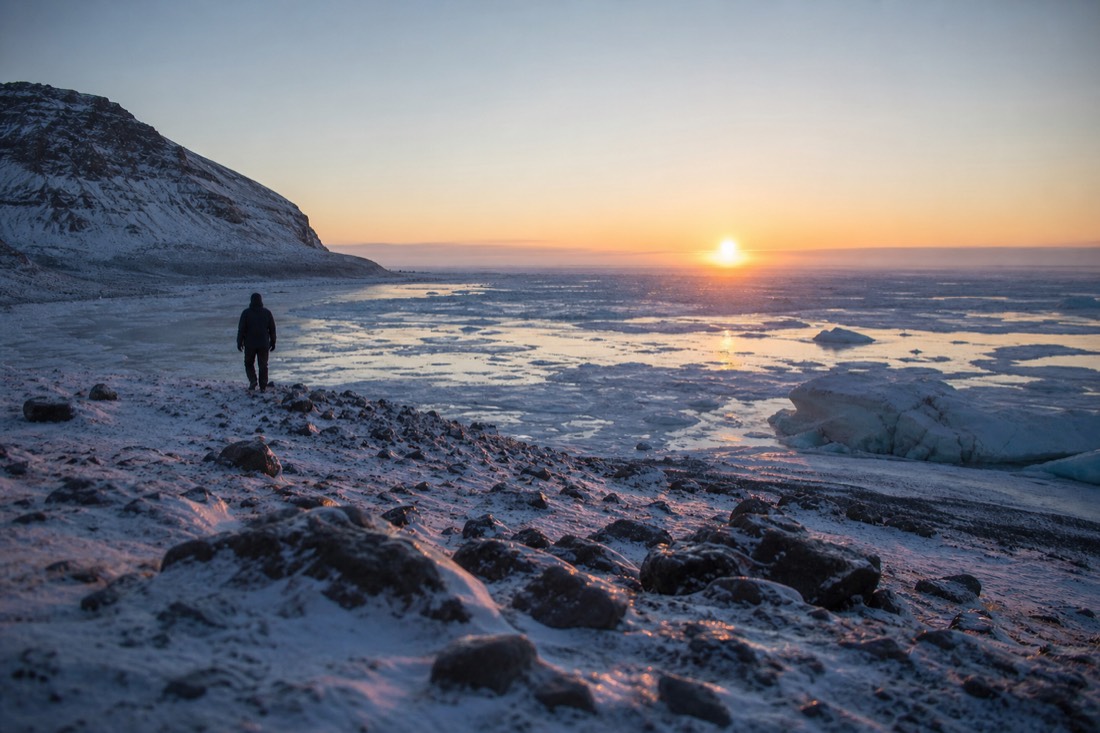
The numbers sound abstract until you convert them into a schedule. Here is what they mean in practice for someone booking day tours out of Reykjavík.
| Month | Reykjavík daylight | What one day realistically holds | Aurora prospects |
|---|---|---|---|
| November | About 6.5 h | One long day tour, or two city things | Season well under way |
| December | About 4 h | One thing, chosen carefully | Longest dark nights of the year |
| January | About 5.5 h | One long day tour, no add-ons | Peak of the strong stretch |
| February | About 8.5 h | A long day tour plus a lagoon evening | Still in the strong stretch |
| March | About 11.5 h | Two things, comfortably | Season winding down by late month |
Note what the table does not say: it does not say December is a bad month. It says December is a month where you book one thing a day and stop pretending otherwise. The Iceland daylight hours in winter guide breaks the sunrise and sunset times down properly if you want to build an hour-by-hour plan.
The practical version: a 10 to 12 hour South Coast day in January starts and finishes in the dark, and that is fine, because the light lands exactly where the scenery is.
Why is booking the aurora night for the end of the trip a mistake?
Because the aurora needs solar activity and a gap in the cloud on the same night, and a five-night trip might give you two. If your aurora tour sits on the final evening, a cloudy sky ends the matter. Book it for night one and every night afterwards becomes a free retry.
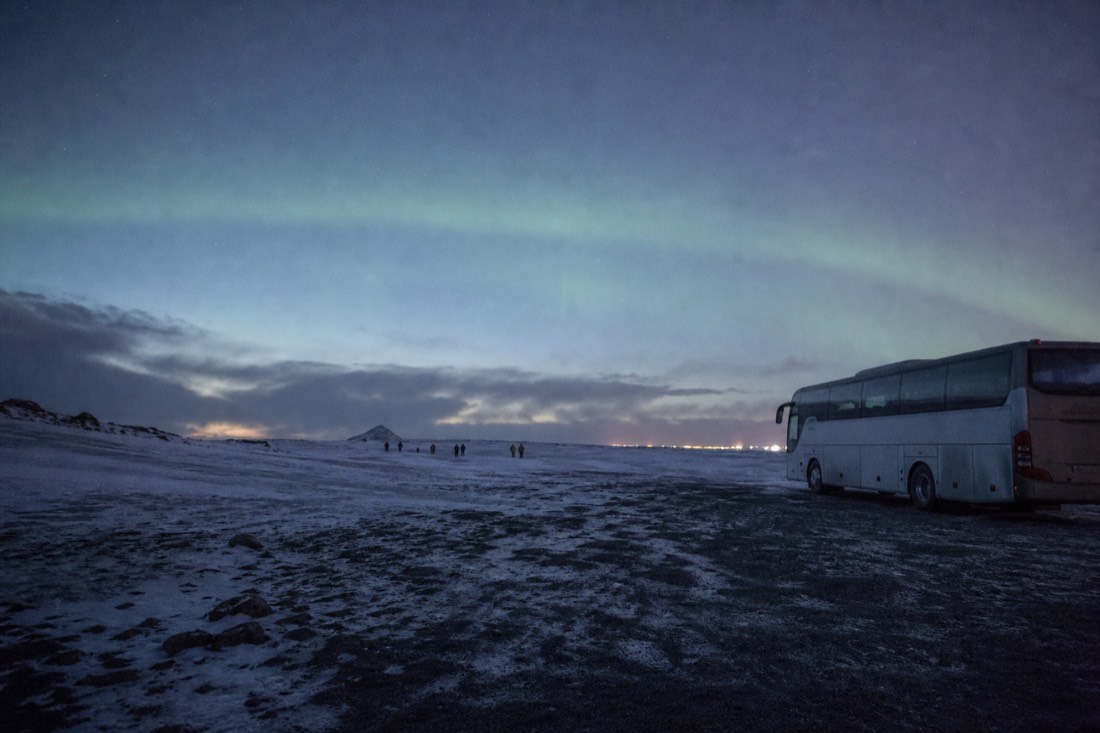
Most Reykjavík operators handle a blank night with a free retry rather than a refund, since they ran the tour they sold. That policy is generous and completely useless to someone flying home at 07:00 the next morning. I have watched people work this out at the wrong end of the week.
So the rule is simple. Aurora on the first available night, then again if it disappoints, and treat any later sighting as a bonus. What the night itself is like, hour by hour, is in what a northern lights tour is actually like.
Why does the wind matter more than the temperature?
Reykjavík's January average is about 0.5°C, which reads as mild to anyone from Chicago or Helsinki. Then the wind arrives, and 0.5°C with horizontal sleet at a black sand beach is a different animal. Icelandic winter is a wind problem wearing a temperature costume.
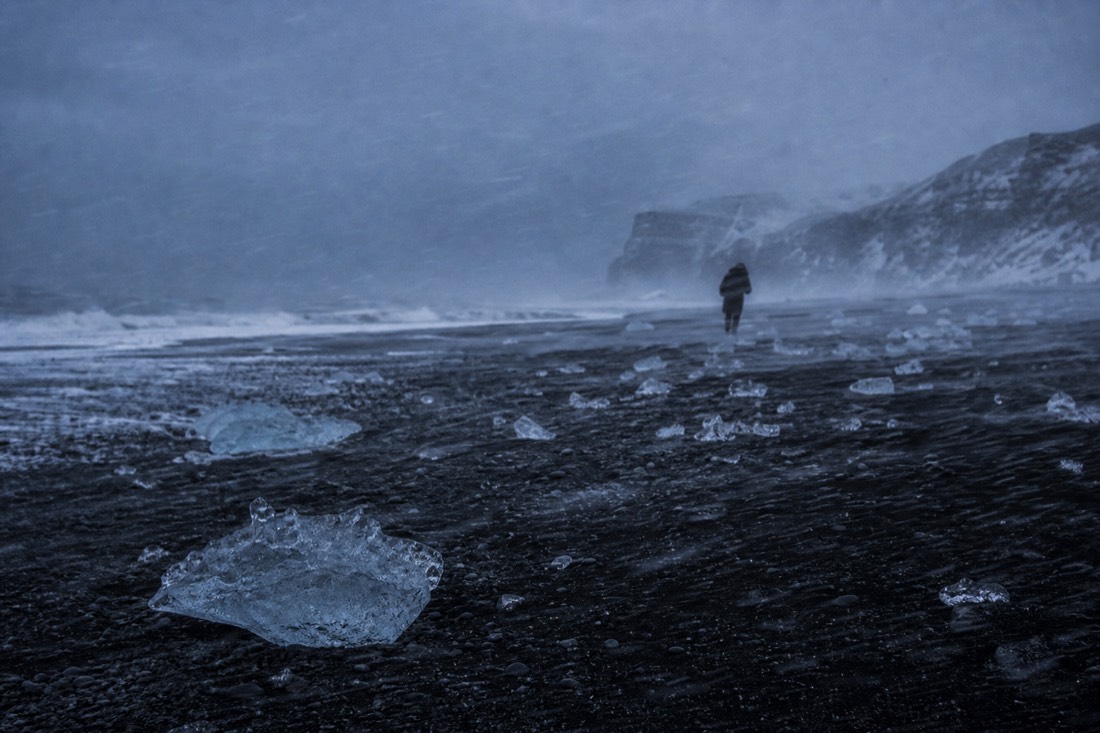
Two things follow. First, your outer layer matters more than your thickest layer: a windproof shell beats a fluffy coat that lets the wind through. Second, cotton is the enemy, because wet cotton against skin stops insulating entirely, which is the whole reason nobody wears jeans in Iceland.
The wind also decides your day for you. Gusts close roads, cancel boats and shut car doors on fingers. Icelandic car hire excess famously does not cover door damage from wind, which tells you how routine it is here. Before any drive, check road.is in the morning, and file a travel plan through safetravel.is if you are going anywhere remote.
Is a cancelled tour a disaster or a Tuesday?
A Tuesday. Icelandic operators reschedule or refund their own weather cancellations, and every listing on this site allows free cancellation up to 24 hours before departure, with one exception on a Blue Lagoon transfer product that needs two days. Cancellation is a normal feature of the season, not a failure.
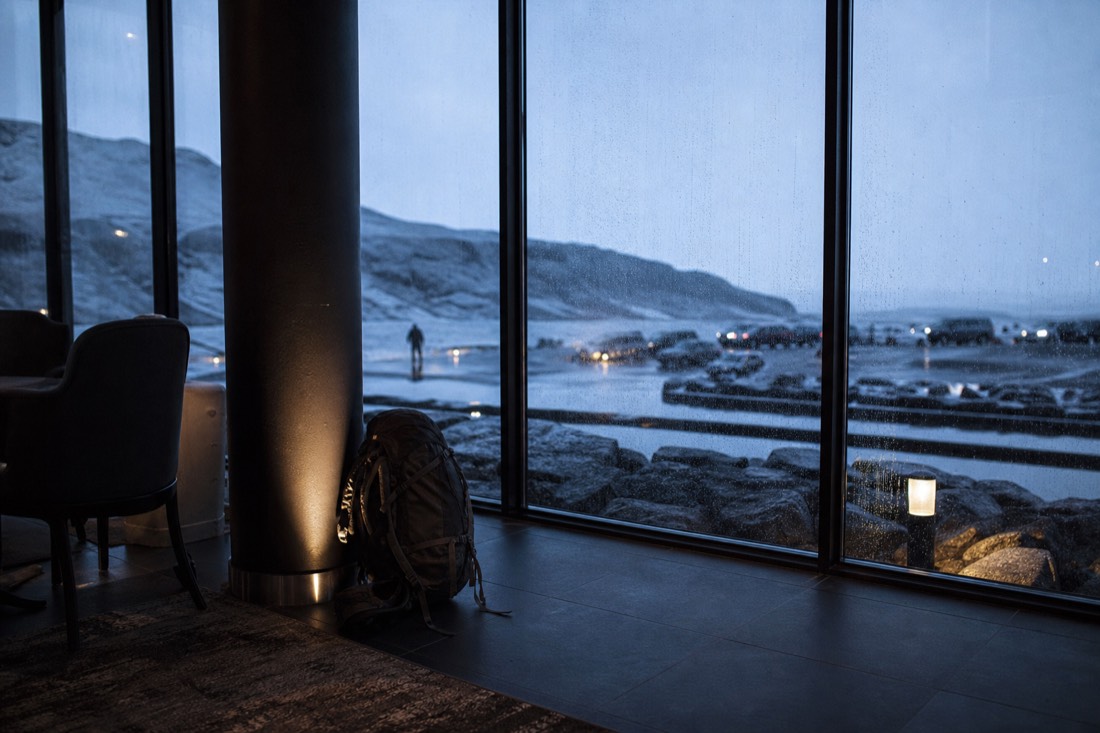
The travellers who cope well are the ones who booked the important thing early and left a spare day. The ones who suffer booked the ice cave for their last full day, drove east through a storm warning to make it, and lost both the cave and the drive.
What actually happens on one of those days, from the operator side, is in the day the weather cancelled everything. The short version: the road administration closes Route 1, every departure stands down together, and the city fills up with people who need a plan B by ten in the morning.
How much does a winter week here cost?
More than most people budget, and the surprises are food and fuel rather than tours. A restaurant meal runs roughly 3,000 to 5,000 ISK, a beer roughly 1,200 to 1,500, a litre of petrol roughly 250 to 300, and a Reykjavík hotel night roughly 25,000 to 40,000.
| What | Rough range | The thing nobody warns you about |
|---|---|---|
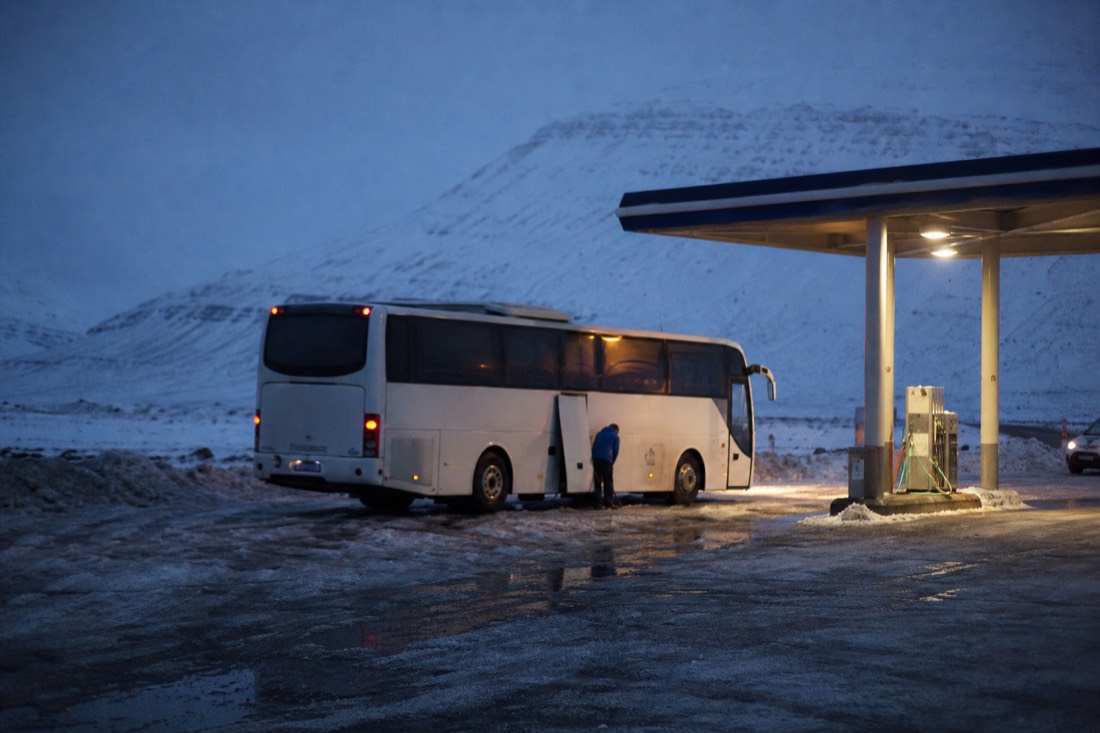
| Restaurant meal | 3,000 to 5,000 ISK | Lunch on a day tour is a petrol station, and it is fine |
| Beer | 1,200 to 1,500 ISK | Buy at the airport Duty Free on arrival, everyone does |
| Petrol, per litre | 250 to 300 ISK | Self-drive stops looking cheap once you add winter tyres |
| Reykjavík hotel night | 25,000 to 40,000 ISK | Plus the accommodation tax reintroduced in 2024 |
| City bus fare | 500 to 1,000 ISK | Cards and tap-to-pay work everywhere, carry no cash |
Everything is card. Tap-to-pay works in petrol stations, hot dog stands and rural cafés, tap water is excellent and free, and tipping is not expected. Those three facts alone save most visitors a small pile of money. The full breakdown sits in how much an Iceland winter trip costs.
Which of these mistakes actually costs the most?
Ranked by what they take away: booking the aurora for your last night, then building a December day around three stops, then dressing for a temperature instead of a wind, then leaving no spare day anywhere in the week. The first one costs you the reason you came. The last one costs you whatever the weather decides to touch.
The ranking is not about how often these happen. It is about whether the mistake can still be fixed on a Wednesday. A cold hour at a waterfall is recoverable. A last-night aurora booking is not, and no amount of goodwill from an operator changes that, because the sky does not take requests.
I have had the same conversation on a hotel pavement more times than I can count. Somebody shows me their plan on their last full day, asks whether tonight looks promising, and the honest answer is that there are three layers of cloud in the forecast and they have no nights left to spend. Nothing about that trip was badly planned except the order of it.
The wind mistake sits in the middle of the ladder because it is cheap to fix and expensive to live with. You cannot buy back the twenty minutes at a black sand beach you spent sitting in the coach with soaked legs. You can prevent it for the price of one garment, which is why it ranks below the errors that cost you a whole experience rather than a piece of one.
| The mistake | What it actually costs you | The cheap fix |
|---|---|---|
| Aurora booked for the last night | The thing you flew here for, with no retry left | Move it to night one and hold the retry in reserve |
| Three stops in a December day | Two of them seen in a headlight beam | One anchor thing a day, decided before you land |
| Dressing for cold rather than wind and wet | The last stop of every day, and your mood at it | A waterproof shell trouser, bought before you fly |
| No spare day anywhere in the week | Every cancellation becomes a loss instead of a move | One empty day, chosen deliberately and defended |
| Jökulsárlón as a January day trip | Ten hours of dark driving wrapped around a short stop | Sleep out east on a multi-day itinerary |
| Self-drive booked out of habit | The mornings spent deciding whether it is safe to go | Guided for the long days, a car for the city end |
The pattern underneath all six is the same. Winter here does not punish ambition, it punishes rigidity. The same argument applied to one single decision is self-drive versus guided tours in winter, and applied to the calendar it becomes how many days you actually need.
What do first-timers book that they later regret?
Rarely a bad tour. Almost always a good tour on the wrong day: the eleven-hour South Coast run booked for the morning after a night flight, the far-east day trip that turns out to be mostly headlights, the second aurora night bought before the first one has even happened. The regret is scheduling, not product.
The arrival-day booking is the most common of these and the easiest to talk somebody out of, if you catch them in time. A transatlantic flight lands early, the hotel room is not ready until two, and it looks like free time going to waste. So people book a ten to twelve hour coach day into it. They then spend the best light of their whole trip asleep against a window, and remember almost none of it.
Doubling up on aurora nights is the other one, and it comes from a good instinct. If the sky is the gamble, buy two tickets. The trouble is that the widely booked bus runs already write a free retry into their own terms, so the second booking usually buys you something you were being given anyway. Spend that money on a short daytime thing instead, or on a better dinner.
| What they booked | What went wrong | What I would book instead |
|---|---|---|
| A 10 to 12 hour South Coast day on arrival morning | Landed at 06:00, on the coach at 08:00, asleep by the second waterfall | The identical tour on day two, after one proper night |
| Jökulsárlón as a Reykjavík day trip in January | About 380 km each way, and both legs driven in the dark | A two or three-day package that sleeps out east |
| Two big tours in one December day | Four hours of usable light, split across both | One anchor by day, a pool or a lagoon after dark |
| Two aurora nights, booked in advance | The free retry made the second booking redundant | One night, early, with the retry held back |
| The ice cave on the final full day | A weather cancellation with nowhere left to move it | The cave mid-trip, with a spare day behind it |
| A hire car for a five-night winter city trip | Parked outside the hotel for three of the five days | Airport transfer, then a car only if you drive out |
None of these are exotic errors. They are the plan a sensible person makes when they are picturing the map rather than the clock. If you want the month-by-month version of the clock, Iceland daylight hours in winter lays it out, and the honest case for the season itself is in Iceland winter versus summer.
Which winter worries turn out not to matter?
Cash, tipping, language, paperwork, and whether your coat is rated for deep cold. None of those decide anything here. Cards work everywhere including rural petrol pumps, the tap water is excellent, tipping is not expected, and US and UK visitors need no visa for stays of up to 90 days.
There is a whole category of pre-trip anxiety that Iceland quietly resolves for you, and it is worth clearing it out so you can spend the worry where it belongs, which is on the light and the wind. I watch people arrive having exchanged money at an airport rate they did not need to pay, carrying notes they will still have when they fly home.
The coat one is the interesting case, because getting it wrong in the other direction costs you. People buy a heavy expedition parka rated for temperatures Iceland does not reach in Reykjavík, where January sits around 0.5°C, and then discover the thing lets wind straight through the seams and soaks up rain like a sponge. A cheaper waterproof shell over a wool layer beats it comfortably. That is the same physics that explains why nobody wears jeans in Iceland, applied to the top half.
| The worry | What is actually true | What to do instead |
|---|---|---|
| Carrying Icelandic cash | Cards and tap-to-pay work everywhere, petrol stations included | Bring a card and a backup card, no notes |
| Tipping etiquette | Not expected, and nobody is offended either way | Round up if you feel like it, then stop thinking about it |
| Visas and paperwork | US and UK citizens need no visa for up to 90 days, and ETIAS is not in force as of 2026 | Check your passport expiry date and move on |
| Bottled water | Tap water is excellent and free | Refill at the hotel, every morning |
| A parka rated for extreme cold | Reykjavík sits around 0.5°C in January. Wind and wet are the enemy | Spend the money on a waterproof shell instead |
| Not speaking Icelandic | English is spoken everywhere a visitor goes | Learn to say takk, and that is genuinely enough |
The one item on that list I would still take seriously is the passport. Everything else can be solved after you land, at the same price you would have paid at home, which is not something you can say about a shell trouser at four in the afternoon on a Sunday.
How far ahead should you book, and what actually sells out?
Book the scarce things before you fly and the flexible things once you arrive. Ice caves, small-group departures and Silfra run on hard capacity limits. Big coaches rarely sell out. Every listing on this site allows free cancellation up to 24 hours before departure, with one Blue Lagoon transfer exception at two days, so booking early costs you nothing.
Scarcity here is not about popularity, it is about vehicles and people. A glacier truck holds what it holds. A drysuit has to fit the person wearing it. Around 30 companies hold permits to run ice cave tours in the whole country, and each one has a finite number of guides who can walk a group in safely, so the ceiling on any given morning is low and it does not stretch for you.
Coach tours are the opposite. A big operator running the Golden Circle daily can add capacity in a way an ice cave operator simply cannot, which is why I tell people to lock the cave and leave the coach until they see a forecast. Free cancellation is what makes this strategy work at all: you are not gambling, you are holding a place you can release.
| What to book | When to book it | Why that timing |
|---|---|---|
| A natural ice cave | Before you fly | Permits, vehicles and guides cap the number of people who can go |
| A multi-day package with a cave in it | Before you fly | Beds and seats move as one block, so it fills earlier |
| Silfra snorkelling | Before you fly | Small guided groups, and the drysuit has to fit |
| The aurora night | Before you fly, for night one | The retry is only worth something if you have nights left |
| A glacier hike | A week or so ahead | Group sizes are small, but there are several departures |
| Golden Circle or South Coast by coach | A few days ahead is usually fine | High-frequency departures with a lot of seats |
| A lagoon visit | Around the tour days you have already fixed | It is the easiest thing in the week to move |
One caveat on the whole strategy. Booking early only helps if you also read the cancellation window on the listing rather than assuming it, since the terms belong to the product and not to the company. How the marketplaces and the Icelandic operators split that job is explained in who actually runs these Iceland tours, and the four departures worth locking first sit on the ice cave tours page.
What would I book first with the week again?
Aurora on night one, the South Coast as the big anchor day, and the ice cave slotted before the final 48 hours so a cancellation still has somewhere to go. Everything else fills in around those three. Book the anchors before you land, keep one day empty on purpose.
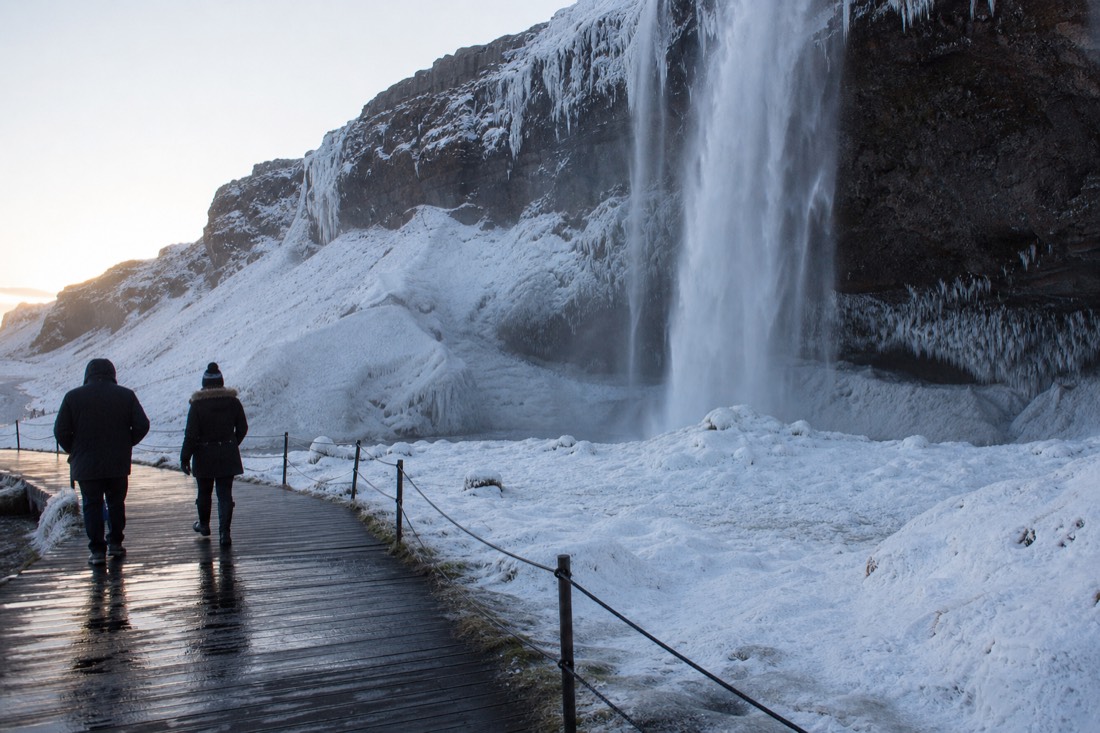
The South Coast is the day that repays a winter trip most reliably, because the waterfalls, the black sand and the glacier tongue are all better with ice on them and none of them need daylight to last. It is a 10 to 12 hour commitment and it is worth every hour of it: the South Coast tours page compares the options, and the BusTravel Iceland run at 4.8 across 12,306 GetYourGuide reviews is available to check for your dates on GetYourGuide.
Here is the ordering I would give any friend with five winter nights.
| Night or day | Book this | Why here and not later |
|---|---|---|
| Night 1 | Northern lights | Leaves four nights of retries in reserve |
| Day 2 | South Coast, full day | The one day that works in any month |
| Day 3 | Ice cave or glacier hike | Weather-sensitive, so it needs a spare day after it |
| Day 4 | Deliberately empty | This is your storm buffer, not a wasted day |
| Day 5 | Golden Circle or a lagoon | Short, close to town, easy to move |
If the east is where you actually want to be, Jökulsárlón sits about 380 km from Reykjavík, roughly five hours each way, which in January means both legs in the dark. That is the one trip where a multi-day winter package is the sensible option rather than the extravagant one, and the 3-day Troll Expeditions itinerary rates 4.9 across 677 Viator reviews.
The last thing I wish more people knew is the least practical one. An Icelandic winter day is short, and the good hours in it are very good: the light stays low and gold for hours instead of minutes, and the four o'clock dark makes a hot pool or a hotel bar feel earned. Plan less, see it properly. If you want a sanity check on the plan you have already made, we answer the recurring ones on the FAQ page.
From Reykjavík: South Coast Waterfalls, Glacier and Black Beach Day Tour
Book the anchors before you land, in the order the article gives: the aurora night first, the big coast day second, the cave before the final 48 hours. Every listing cancels free up to 24 hours out, so holding dates now costs nothing.
10 to 12 hours · English
Check travel dates with GetYourGuide below.
None of these experiences matches that choice. Adjust your preference or reset to the general recommendation.
Compare Options And Plan Your Trip
- The aurora, night one
- The retry only pays while nights remain.
- The big coast day
- The one day that works in any month.
- The ice cave
- Hard capacity, hard season, book before you fly.
- The east as one block
- Beds and seats that move together.
Before Booking