How Much Does an Iceland Winter Trip Cost? 2026/27 Prices
A Reykjavik hotel night runs roughly 25,000 to 40,000 ISK, and for most winter visitors that line, not the tours, is the big one. A winter week costed out.
 Written with Björn Einarsson, Icelandic guide & winter tour specialist
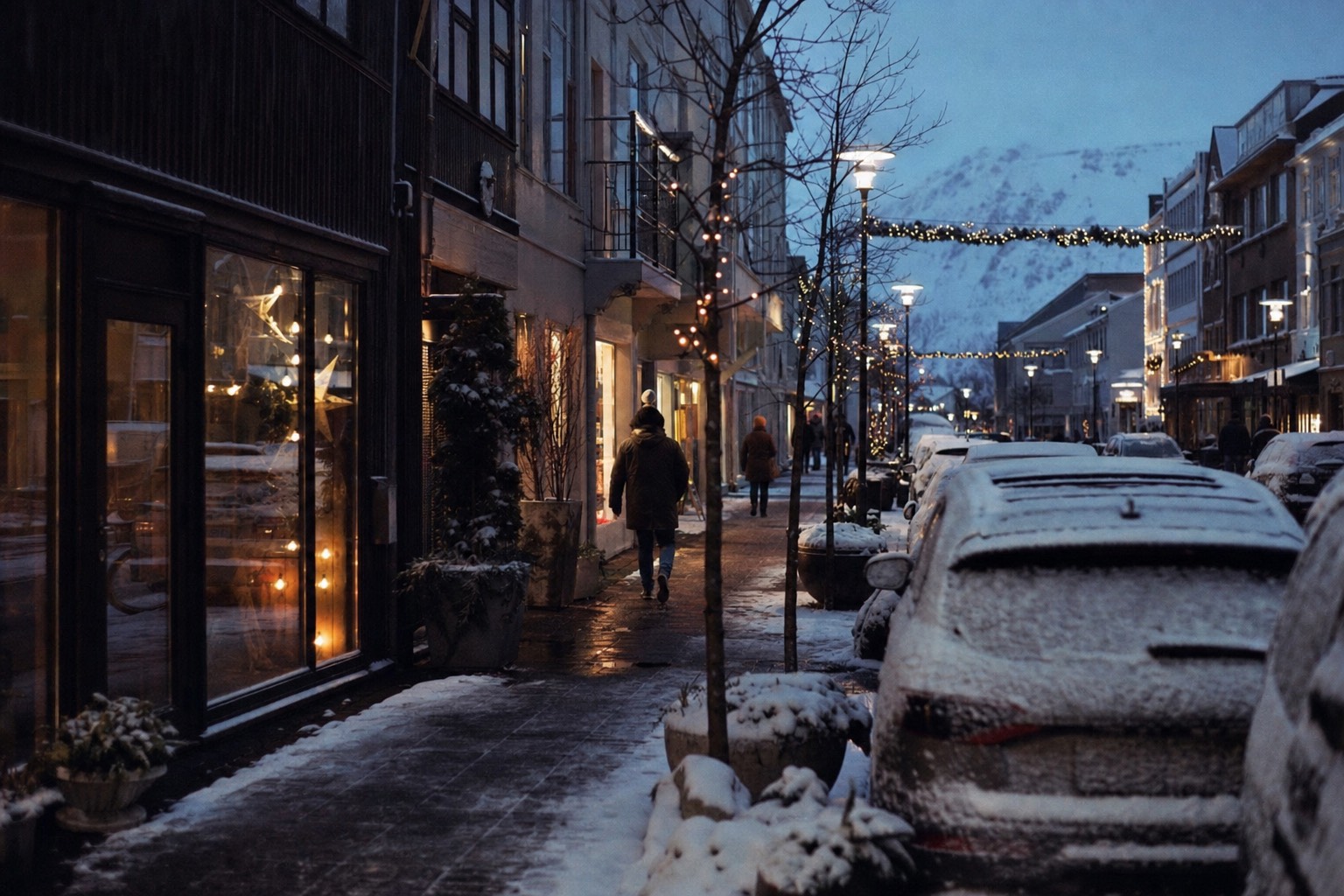
You tap a card for a bowl of soup on Laugavegur, the terminal shows a five-figure number, and your brain does the conversion before you can stop it. That reaction is the whole Iceland cost story in one moment. The soup is not the problem. The room you are walking back to is.
TL;DR: For a week in Iceland in winter, the tours are usually not your biggest line. Accommodation is, and eating out is second. A Reykjavik hotel night runs roughly 25,000 to 40,000 ISK, a restaurant meal 3,000 to 5,000 ISK, a beer 1,200 to 1,500 ISK, a bus fare 500 to 1,000 ISK and petrol 250 to 300 ISK a litre. Two recent additions catch people out: an accommodation tax reintroduced in 2024, and parking charges that now apply at some natural sites. January is the quietest month of the winter and prices follow demand.
How much does an Iceland winter trip cost per person?
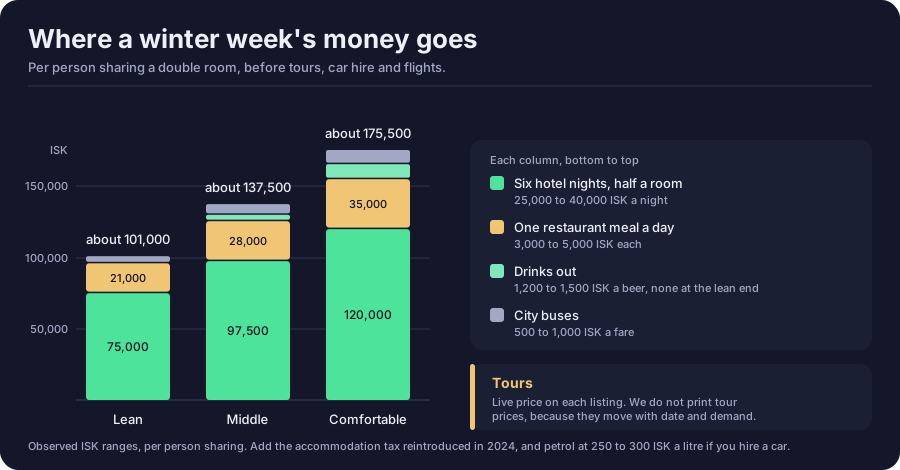
Costed from the ground up, a winter week in Reykjavik for one person sharing a double room lands somewhere around 100,000 ISK at the lean end and 175,000 ISK at the comfortable end, before tours, car hire and flights. Accommodation is over half of it in every version of the sum.
Those two numbers are built from real observed ranges rather than a guess at a lifestyle, and I will show the arithmetic further down rather than asking you to trust it. What matters first is the shape: the bed dominates, food comes second, and everything Icelanders treat as ordinary daily spending is small by comparison.
| What you buy | Typical range | Note |
|---|---|---|
| Hotel night, Reykjavik | 25,000 to 40,000 ISK | Per room, before the accommodation tax |
| Restaurant meal | 3,000 to 5,000 ISK | Per person, main course level |
| Beer | 1,200 to 1,500 ISK | The line that surprises British and American visitors |
| Petrol | 250 to 300 ISK a litre | Only relevant if you hire a car |
| City bus fare | 500 to 1,000 ISK | Reykjavik is small enough to walk most of |
| Tap water | Nothing | Safe, cold, excellent, and never worth buying bottled |
| Tipping | Nothing | Not expected anywhere, and not a hidden 20 per cent |
Two of those rows are quietly generous. Free tap water and no tipping culture between them claw back a real amount over a week, and visitors from the United States in particular tend to over-budget because they assume a service charge that never arrives. Cards and tap-to-pay work essentially everywhere, so you can go the whole trip without touching an Icelandic krona, and the practicalities are confirmed by Visit Iceland rather than by hearsay.
Why is Iceland so expensive?
Because almost everything arrives by ship or plane onto an island with a very small home market, wages are high, and the tourist season crowds a lot of demand into a small stock of rooms. Add 2025's roughly 2.3 million foreign overnight visitors and the pressure on accommodation is straightforward supply and demand.
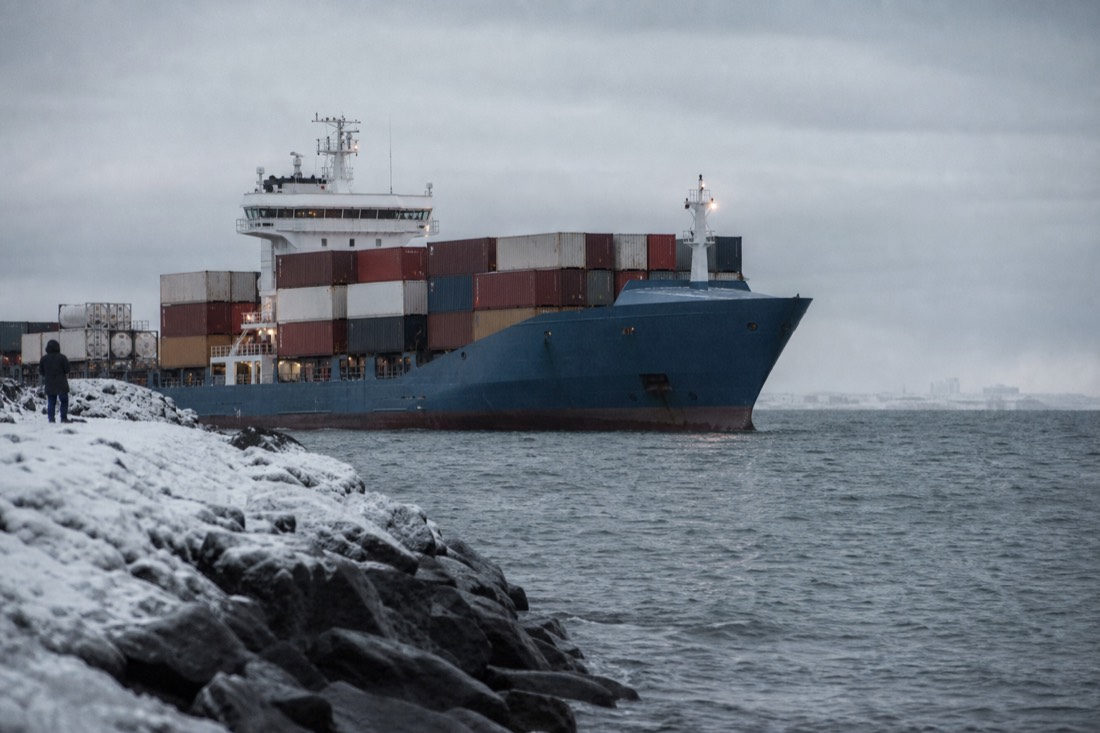
The imported-goods part is the piece visitors underestimate. Iceland grows very little of what a restaurant serves in February. Vegetables, wine, beer and most of the protein arrive by container, and the freight, the small market and the high labour cost stack on top of each other before anything reaches a menu. That is why the beer costs what it does and the bowl of soup does not feel wildly out of line with a London price.
Wages are the other half, and they are worth understanding rather than resenting. Icelandic service staff are paid properly, which is precisely why tipping is not expected. You are seeing the true cost on the menu instead of a low headline price plus a mandatory top-up at the end. Once you frame it that way, the gap between an Icelandic bill and an American one narrows considerably.
Accommodation is the line where scarcity really bites. Reykjavik has a fixed stock of rooms and a winter that no longer counts as off-season, which is why the same hotel costs noticeably more on a New Year weekend than on a January Tuesday.
What does accommodation cost, and why is it the biggest line?
A Reykjavik hotel night sits roughly between 25,000 and 40,000 ISK, before the accommodation tax reintroduced in 2024. Over six nights that is 150,000 to 240,000 ISK for the room, which is more than most visitors spend on everything else combined. Guesthouses and hostels sit below that range.
Run the sum before you book anything else. Six nights at the bottom of the range is 150,000 ISK for the room; at the top it is 240,000. Sharing halves it per person, and travelling alone does not, which is the single biggest cost difference between a couple's trip and a solo one.
The 2024 accommodation tax is the change people miss. It was reintroduced after a pause, it is charged per night, and it appears on your bill rather than in the headline rate you compared on a booking site. It is not large enough to change your trip. It is large enough to be annoying if you built a budget to the krona.
Location does more to your total than star rating does. Staying central means walking to dinner and to tour pickup points, which removes taxis and parking from the budget entirely. Shaving the room rate by staying out of town and then paying for a car and its parking is the classic false economy, and I have gone through the trade-offs properly in where to stay in Iceland in winter.
How much does eating and drinking out cost in Iceland?
A restaurant main runs roughly 3,000 to 5,000 ISK and a beer 1,200 to 1,500 ISK. One sit-down meal a day for a week comes to roughly 21,000 to 35,000 ISK per person. Tap water is free and excellent, tipping is not expected, and the supermarket closes the gap fast.
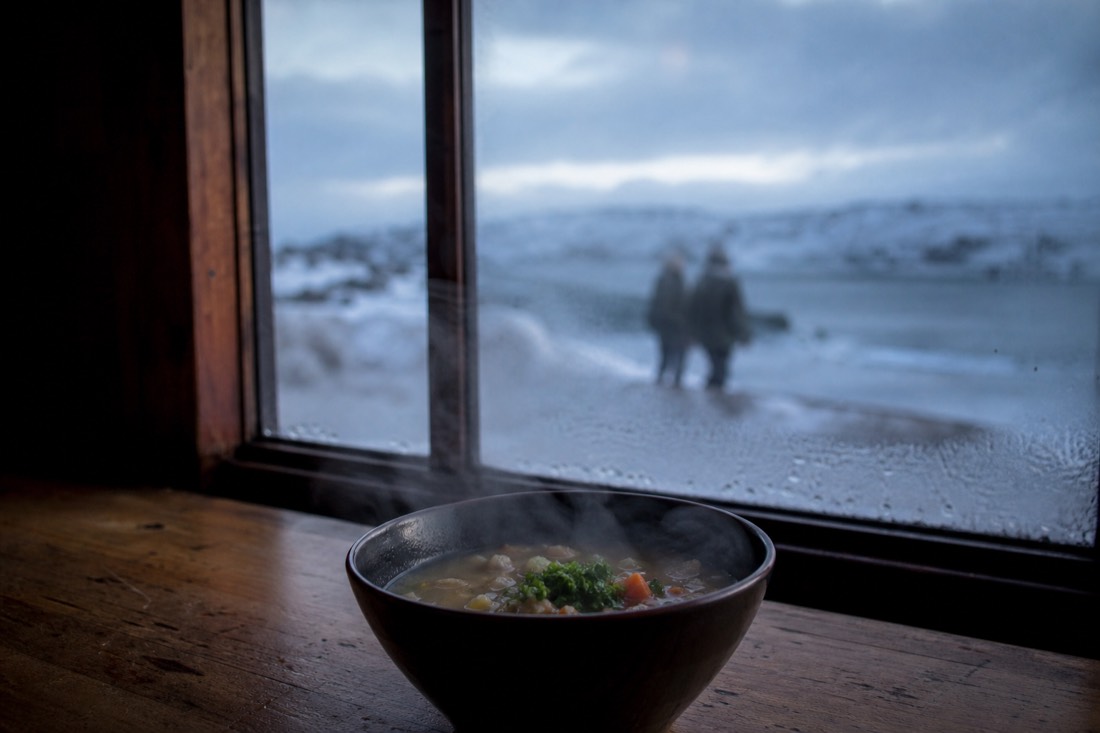
Eating out every meal is what turns an expensive trip into an alarming one. Three restaurant meals a day for seven days, at the top of the range, runs past 100,000 ISK per person, which is a line almost nobody budgeted for. Hardly anyone eats that way in practice, yet plenty of budgets are built as though they will.
The pattern that works is the one Icelanders use. Breakfast from the supermarket, something portable at lunch, and one proper meal in the evening. Bonus and Kronan are the discount chains and their prices are ordinary European supermarket prices rather than restaurant prices. A hotel room with a kettle changes the arithmetic more than any voucher will.
Alcohol deserves its own warning. Beer at 1,200 to 1,500 ISK in a bar means a round for four is a meaningful line item, and spirits are worse. The duty-free shop in the arrivals hall at Keflavik exists for a reason, and every Icelander walks through it.
And do not buy bottled water. Iceland's tap water is among the best in the world, it is cold out of the tap, and buying it in plastic is the one expense here that has no defence at all.
How much of the budget do the tours actually take?
Less than most people assume. For a typical winter week, accommodation and eating out together outweigh the tour bill for the majority of visitors. We do not print tour prices here because they move with date and demand, so the live figure sits on each operator's own listing where it stays accurate.
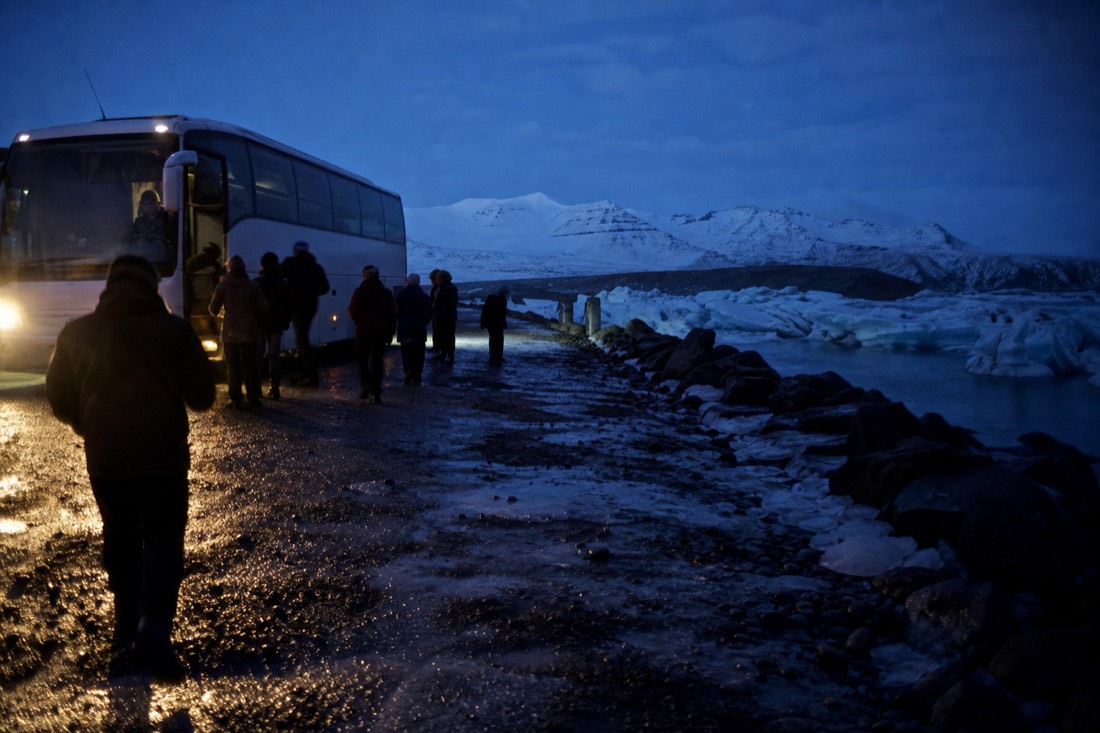
This is the counter-intuitive part, and it changes how you should plan. People arrive expecting the excursions to be the expensive part and try to cut them, then spend the saved money on six nights of hotel and dinner while looking at Reykjavik in the rain. The tours are what you came for. The room is overhead.
There is also a structural saving inside the tour question. Doing the South Coast, an ice cave and the Golden Circle as three separate day trips from Reykjavik means three sets of long drives and six more hotel nights in the capital, whereas the multi-day winter packages roll the beds and the driving into one price, and the most-praised of them is available to check for your dates on Viator at 4.9 across 677 reviews with Troll Expeditions.
Value per hour is the other way to look at it. A South Coast day tour is 10 to 12 hours covering waterfalls, a black sand beach and a glacier tongue for one fare, and the most-booked version of that day rates 4.8 across 12,306 GetYourGuide reviews. Compare that with the fuel, the parking charges and the hire car needed to do the same route yourself, which I have set against each other in self-drive versus guided tours.
Aurora hunting is the one where value is easiest to judge, because the northern lights tours that carry a free retry night let you go out again if the sky stays shut, and one fare can cover two attempts.
How much will 5 days in Iceland cost compared with 7?
A five-day trip is four nights, which strips roughly 50,000 to 80,000 ISK of accommodation and 12,000 to 20,000 ISK of restaurant meals off a seven-day budget per person. The daily running cost barely changes. Nights are what you are buying, and each one costs the same as the last.
| Line, per person sharing | Lean | Middle | Comfortable |
|---|---|---|---|
| 6 hotel nights, half a room at 25,000 to 40,000 ISK | 75,000 | 97,500 | 120,000 |
| One restaurant meal a day, 7 days | 21,000 | 28,000 | 35,000 |
| Supermarket breakfast and lunch | Budget separately | Budget separately | Budget separately |
| Drinks out, at 1,200 to 1,500 ISK a beer | 0 | 4,500 | 10,500 |
| City buses, at 500 to 1,000 ISK a fare | 5,000 | 7,500 | 10,000 |
| Accommodation tax, since 2024 | Added per night | Added per night | Added per night |
| Parking at some natural sites | Only if self-driving | Only if self-driving | Only if self-driving |
| Petrol, if you hire a car | 250 to 300 ISK a litre | 250 to 300 ISK a litre | 250 to 300 ISK a litre |
| Tours | Live price on each listing | Live price on each listing | Live price on each listing |
| Running total before tours, car and flights | about 101,000 ISK | about 137,500 ISK | about 175,500 ISK |
Every figure in that table is derived from the observed ranges at the bottom, middle and top, so treat it as a way of thinking rather than a quotation. Supermarket food is left open deliberately: it varies far too much with how you shop for me to put a number on it and pretend it is solid.
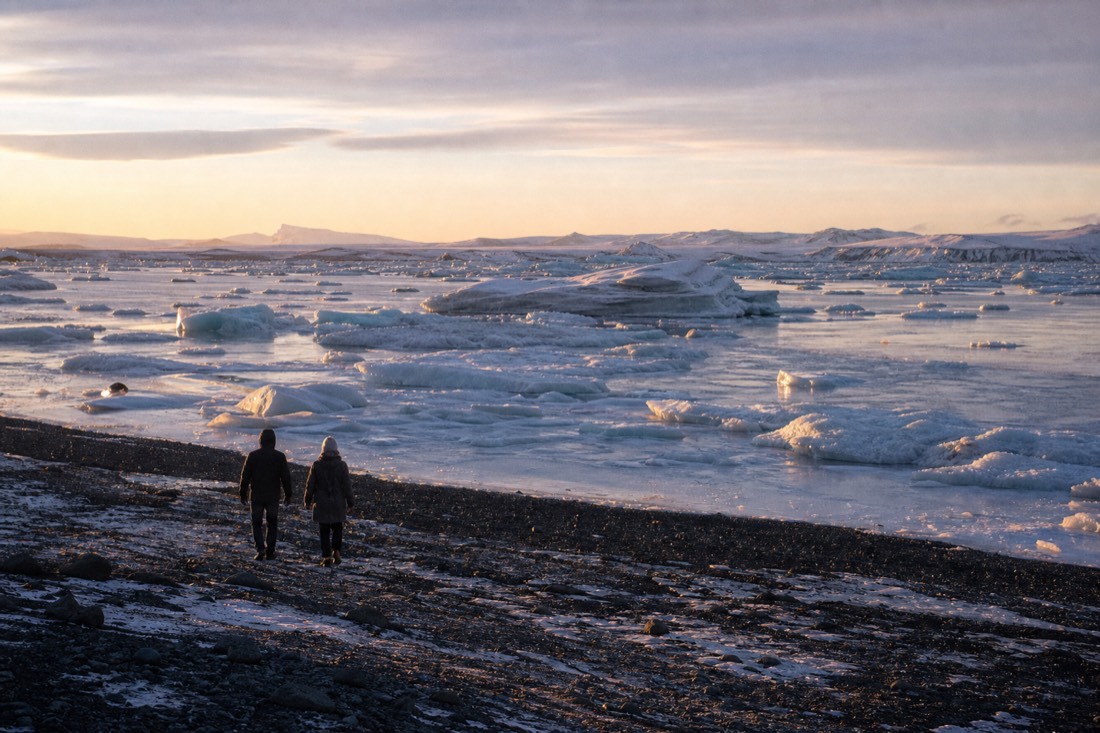
Five days is enough for Reykjavik, the Golden Circle and one long South Coast day. Seven is the number where Jokulsarlon stops being a punishing round trip, and that extra pair of nights is what you are really paying for.
Is Iceland expensive in March, and does the month change the bill?
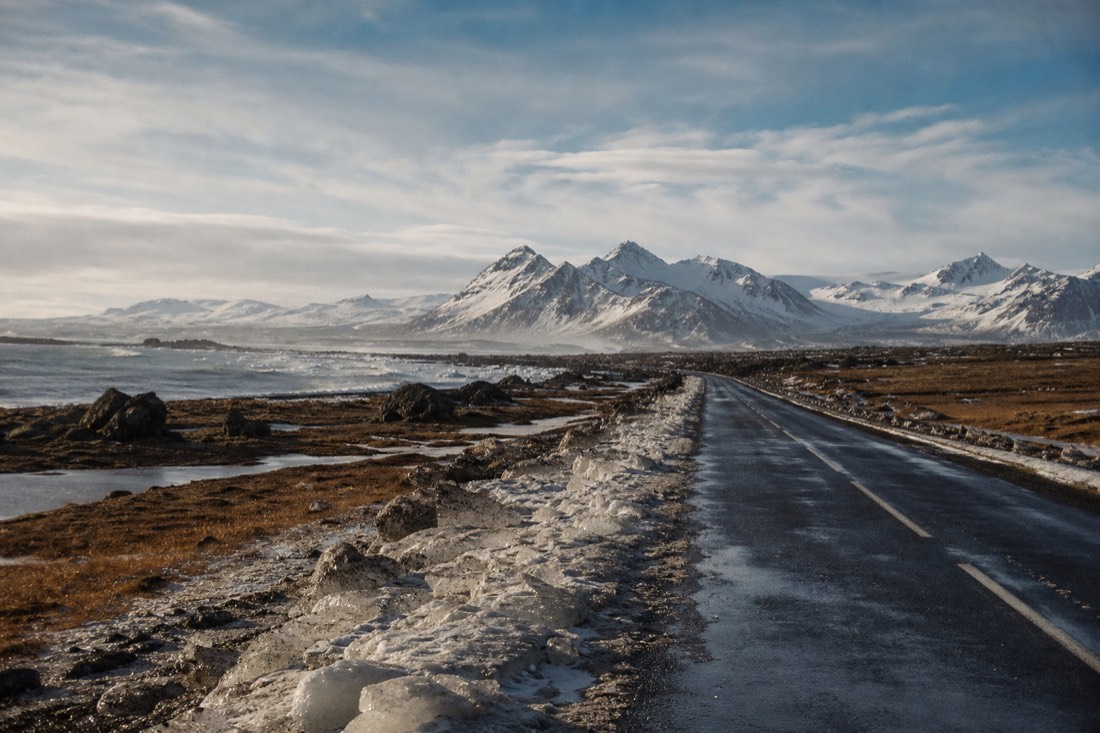
March is not dramatically cheaper than February, and it gives you far more daylight, about 11.5 hours in Reykjavik against 8.5 in February. January is the genuinely quiet month: 119,000 foreign visitors through Keflavik against 147,000 in February. Christmas and New Year are the expensive weeks.
| Month | Reykjavik daylight | What it does to your bill |
|---|---|---|
| November | About 6.5 h | Shoulder rates, ice cave season opening, low crowds |
| December | About 4 h | Christmas and New Year are the peak; early December is not |
| January | About 5.5 h | The quietest visitor month of the three, and rooms follow demand |
| February | About 8.5 h | Busier than January, but the daylight is worth the difference |
| March | About 11.5 h | Prices climb toward spring, and you get nearly double December's light |
Daylight is the thing worth paying for, and the table above is really a value table rather than a price one. Four hours of December light means a day tour that begins and ends in the dark. March gives you 11.5 hours, which is enough to see the South Coast properly in daylight, though the natural ice caves become less reliable as it warms.
If you are picking a month on more than money, weigh aurora odds and road reliability alongside it in the best month to visit Iceland in winter, which sets the whole season against itself.
What is the accommodation tax, and what else has been added since 2024?
Iceland reintroduced an accommodation and tourist tax in 2024, and it is still charged per night on top of the rate you compared on a booking site. Several natural sites have also started charging for parking. Neither line is large. Both arrive after you thought the budget was finished.
The tax is not the reason Iceland is expensive, and anyone telling you it is has not looked at the room rate above it. What earns it a paragraph is where it appears. Not in the nightly figure you compared across four booking sites, but at the end, on the bill, or as a small addition at check-in. If you built a budget to the last krona off a comparison page, that is the moment it stops matching reality.
Parking splits travellers cleanly in two. On a coach it is invisible, because the operator deals with the car park while you walk off the bus and go and look at the waterfall. Driving yourself, it is one more small transaction at stops that were free the last time most guidebooks were written. Not ruinous. Just new, and easy to forget when you are costing a self-drive against a seat on a bus.
The rental lines are the ones that genuinely move a budget, and they are all winter lines. Studded tyres are legal from 1 November to 15 April and a winter car should be on them. A 4x4 is often recommended and sometimes required for the routes people actually want in January. Sand and ash damage cover is advised here in a way it is not in most countries, because Icelandic wind picks up the ground and throws it at your paintwork. Price the car in winter specification or do not price it at all, and read self-drive versus guided tours before you commit, with road.is open beside it.
| Line | Where it stands | Who it hits | How to plan for it |
|---|---|---|---|
| Accommodation and tourist tax | Reintroduced in 2024, charged per night | Everyone sleeping in paid accommodation | Treat the booking-site headline as the room, not the bill |
| Parking at some natural sites | Increasingly charged at popular stops | Self-drivers only | Carry a card, and skip it entirely by taking a coach |
| Winter tyres on a rental | Studded legal 1 Nov to 15 Apr | Self-drivers | Confirm the winter specification before you compare quotes |
| 4x4 upgrade | Often recommended, sometimes required | Self-drivers on longer winter routes | Budget the upgrade rather than the cheapest small car |
| Sand and ash damage cover | Advised on Icelandic rentals | Self-drivers | Read what the base insurance excludes, not what it includes |
| ETIAS | Announced, not operational as of 2026 | Nobody yet | Nothing to pay or apply for right now |
Do you need Icelandic cash, and what should you actually pay with?
Bring a card and forget the krona. Cards and tap-to-pay work essentially everywhere, tipping is not expected in restaurants or on tours, and the tap water is some of the best in the world. Three of the lines travellers habitually budget for simply do not exist in Iceland.
The currency is the Icelandic króna, and plenty of visitors go a full week without seeing a banknote. Exchanging money at home before you fly is a solution to a problem Iceland does not have, and you pay a spread for the privilege. If you like carrying a small emergency note, carry a small emergency note. Do not build a cash budget.
Tipping is the bigger saving and the one Americans consistently get wrong. Icelandic service staff are paid properly, which is exactly why nobody expects a percentage on top, and that includes your guide and your driver. A week of restaurant meals with a twenty per cent habit attached is a meaningful number, and here it is a number you keep. If you loved a tour, the useful thing to leave is a review, which does the guide more good than a handful of coins.
Bottled water is the one expense on this page with no defence at all. Icelandic tap water is cold, safe and excellent, confirmed by Visit Iceland alongside the rest of the practical basics. Fill a bottle at the hotel, refill it at the next stop, and put the saving toward something you will remember, which is usually a tour rather than a fridge.
One card habit is worth forming before you land: know the PIN for the card you are travelling with. Self-service machines exist here as everywhere, and a card you only ever tap is a card whose PIN you have forgotten. Everything else about paying for things in Iceland is unremarkable, which is more than can be said for the prices.
| What travellers budget for | What actually happens in Iceland | What to do instead |
|---|---|---|
| Currency exchange before flying | Cards and tap-to-pay are accepted essentially everywhere | Bring the card you normally use and skip the spread |
| Daily cash from an ATM | Rarely needed for anything a visitor does | Carry one small note for peace of mind, no more |
| Tipping in restaurants | Not expected, and staff are paid accordingly | Read the menu price as the real price |
| Tipping guides and drivers | Not expected here either | Leave the operator a review instead |
| Bottled water | Tap water is safe, cold and excellent | Refill a bottle, every day, everywhere |
What does a tour fare cover, and what do you still pay for on the day?
Most winter day tours are sold as one fare covering the driving, the guide and the specialist equipment the activity needs, because none of those are optional on a glacier. Food, drinks and anything you buy at a stop are yours. The listing is the only authority for any given departure, so read its inclusions before you compare two prices.
This matters more than it sounds, because two tours that look like the same product at different prices are often not the same product. A glacier hike that fits you with crampons, a helmet and a harness is carrying real equipment cost inside the fare. A glacier hiking departure that assumes you arrive with your own gear is a different proposition entirely, and the cheaper number on the screen is not the cheaper day. Same story with Silfra snorkelling, where the drysuit and the fitting are the expensive part of the morning.
Then there is the pickup question, which quietly decides whether you also pay for a taxi at seven in the morning. Some departures collect from hotels or designated city bus stops. Others give you a meeting point out in the country and expect you to arrive at it, which is fine if you are driving and expensive if you are not. Check which one you have bought before you book a room, since the two decisions are connected, as where to stay in Iceland in winter sets out in more detail.
Food is where budgets leak on long days. A 10 to 12 hour South Coast run stops somewhere you can buy lunch, and roadside food in Iceland is priced like Icelandic food, so a meal at 3,000 to 5,000 ISK is a fair working assumption unless you bring your own. Two sandwiches from Bónus in your daypack is the local answer and nobody will look at you strangely for it.
One thing you almost never pay extra for is a second chance at the sky. Several northern lights tours carry a free retry night when the aurora fails to show, which is a real inclusion with real value, and it is written on the listing rather than assumed.
| What you are buying | Usually inside the fare, or a separate line | What to check on the listing first |
|---|---|---|
| Driving and fuel on the route | Inside the fare | Whether the route matches the stops you care about |
| The guide | Inside the fare | Language, and whether it is guided or driver-guided |
| Crampons, helmet and harness | Inside the fare on glacier and ice cave trips | That your boot type is acceptable for the fitting |
| Drysuit and snorkelling gear | Inside the fare on Silfra departures | Fitting time, and the medical and age conditions |
| Hotel or bus-stop pickup | Depends entirely on the product | Pickup versus a country meeting point you must reach |
| Lagoon admission | Bundled on transfer-plus-entry products | Whether your timed entry slot is included or bought separately |
| Food and hot drinks | Almost always yours | Where the stop is, so you can decide to bring lunch |
| Hotel nights | Inside the fare on multi-day packages | Which nights and where, since that is most of the value |
| A free aurora retry night | Offered on some listings | Whether you have nights left in the country to use it |
What do the totals look like for a long weekend against a full week?
Nights are the unit that scales, and every one costs the same as the last. Counting the bed at 25,000 to 40,000 ISK a room and one meal out a day, a three-night long weekend runs roughly 49,500 to 80,000 ISK per person sharing, four nights roughly 65,000 to 105,000, and six nights roughly 96,000 to 155,000.
The table below is deliberately narrower than the full budget further up this page. It counts two lines only, the bed and one restaurant meal a day, because those are the two that scale directly with trip length and they are the two people misjudge. Drinks, bus fares and supermarket shopping sit on top and vary far too much with how you travel to pretend otherwise.
| Trip shape | Nights | Bed, per person sharing | One meal out a day | Running total, before tours, car and flights |
|---|---|---|---|---|
| Long weekend, 4 days | 3 | 37,500 to 60,000 ISK | 12,000 to 20,000 ISK | 49,500 to 80,000 ISK |
| Short trip, 5 days | 4 | 50,000 to 80,000 ISK | 15,000 to 25,000 ISK | 65,000 to 105,000 ISK |
| Standard trip, 6 days | 5 | 62,500 to 100,000 ISK | 18,000 to 30,000 ISK | 80,500 to 130,000 ISK |
| Full week, 7 days | 6 | 75,000 to 120,000 ISK | 21,000 to 35,000 ISK | 96,000 to 155,000 ISK |
| Long stay, 10 days | 9 | 112,500 to 180,000 ISK | 30,000 to 50,000 ISK | 142,500 to 230,000 ISK |
| Full week, travelling alone | 6 | 150,000 to 240,000 ISK | 21,000 to 35,000 ISK | 171,000 to 275,000 ISK |
Look at the last row for a moment, because it is the one that surprises people. A solo traveller pays the whole room and eats the same meals, so a week alone costs roughly what a week costs a couple between them. Nothing about Iceland is designed to punish solo visitors, it is simply that the largest line on the page is priced per room. If you are travelling alone, a package with the beds included is often the cleanest way to stop paying twice for silence, and the multi-day winter packages page is where those live.
The other thing the table shows is what the marginal night is worth. Going from four days to five costs about 15,500 to 25,000 ISK, and it buys you the spare day that lets you rebook a cancelled tour instead of losing it. That is the best value night in the whole trip, and it is the one people cut first. The winter itinerary guide works through what each extra day actually adds, and the answer is rarely another sight and usually another chance.
Where can you cut the bill without ruining the trip?
Cut the room, the drinks and the car, in that order. Stay central and share, eat one meal out a day instead of three, skip bottled water entirely, and take a coach seat on the long days rather than hiring a car you only need for two of them. Do not cut the tours.
The car is the cut people resist most and benefit from most. A hire car for a whole week, when you genuinely need a vehicle on two days, means paying for parking, insurance and fuel at 250 to 300 ISK a litre on the days it sits outside the hotel. Booking seats on the long days and walking the rest of the time is usually cheaper and always less stressful.
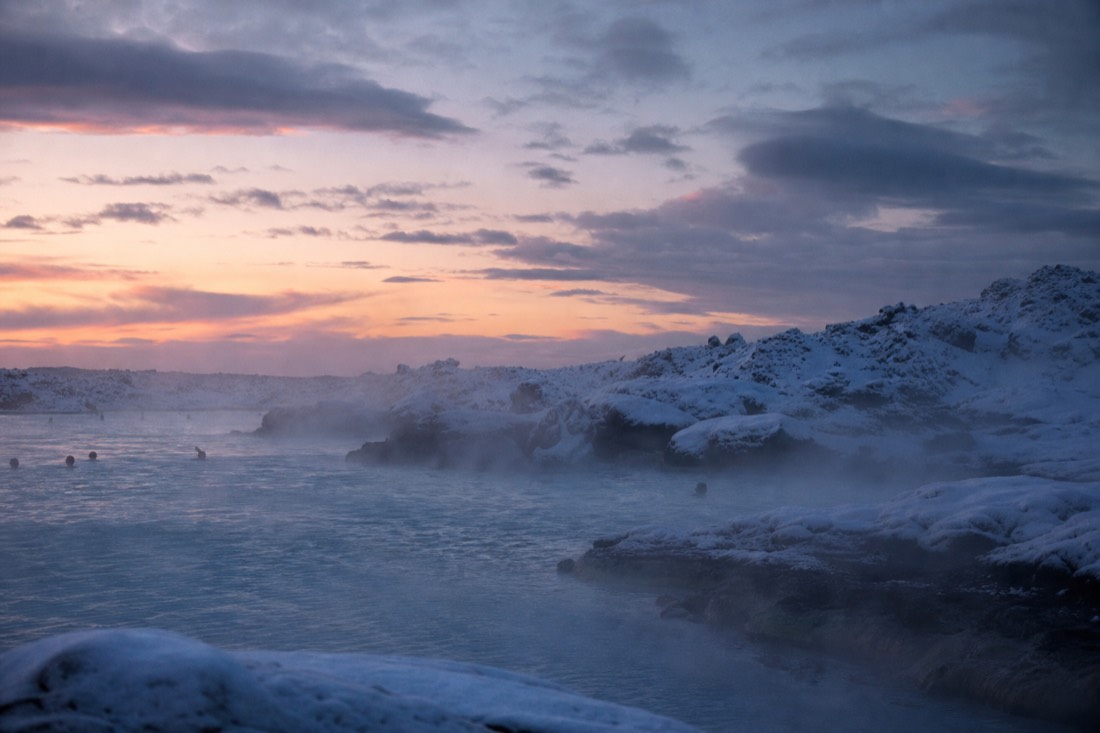
The lagoon question comes up in every budget. A Blue Lagoon visit with transfers is a real line item, and it is also the one thing on this list that people never regret, so if you want it, book it and cut a restaurant meal instead. Check the current operating position at the Blue Lagoon's own status page before you build a day around it, because Reykjanes activity does occasionally close it at short notice.
What not to cut: the reason you came. Skipping the ice cave to save money and then spending the same amount on two dinners in Reykjavik is a trade nobody looks back on fondly. What I wish I knew before my first Iceland winter covers a few more of these, including the ones that cost nothing to fix.
If you want to know exactly how the booking links here work and what we earn from them, it is written out plainly on our FAQ page.
3-Day Ice Cave, South Coast, Golden Circle and Northern Lights
Before the budget locks, check the package dates for your window: one booking that includes three tour days and the hotel nights between them is the line most worth pricing first, and it cancels free up to 24 hours out.
72h · en · Hotel pickup offered; details on the listing
Scheduled departure dates. Availability and final price are confirmed on Viator.
None of these experiences matches that choice. Adjust your preference or reset to the general recommendation.
Compare Options And Plan Your Trip
- A full week, first trip
- Beds plus three guided days in one fare; the biggest structural saving on the page.
- A long weekend
- The waterfalls-and-black-sand day fits four days at 4.6 across 1,812 reviews.
- The never-regret lagoon line
- Timed entry with transfers; the one item the article says never to cut.
- Value per hour on a big day
- 10 to 12 hours, waterfalls to glacier, one fare.
Before Booking
The Northern Lights are a natural phenomenon and cannot be guaranteed by the operator. The hotels are in prime locations to maximize chances of seeing them. Not included: Lunch and Dinner; Hiking Boots Rental (3,000 ISK); Waterproof Jacket Rental (1,750 ISK)
Compare complete party totals in the same currency, including any transport, meals or extras you would otherwise buy.